
DREAM
Ideas, possibilities, and practical planning for what Filgap Coffee may become — from Farmers’ Market beginnings to a small roastery and tasting room in Squamish.
-
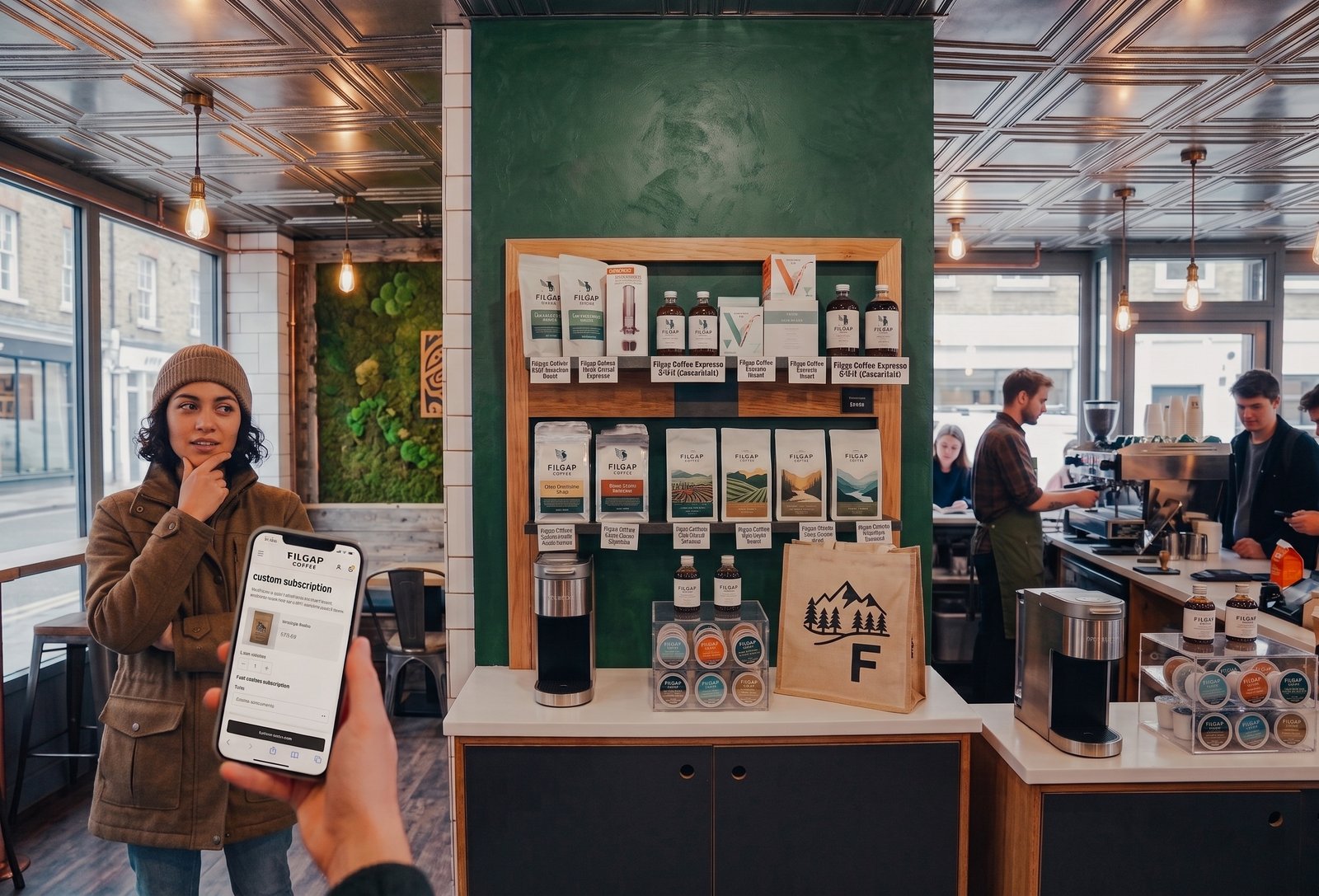
How Do You Find a Market Gap Without Inventing One?
It is easy to find reasons your own business idea should exist. The harder question is whether customers care enough about the same problem to change what they already do.
-
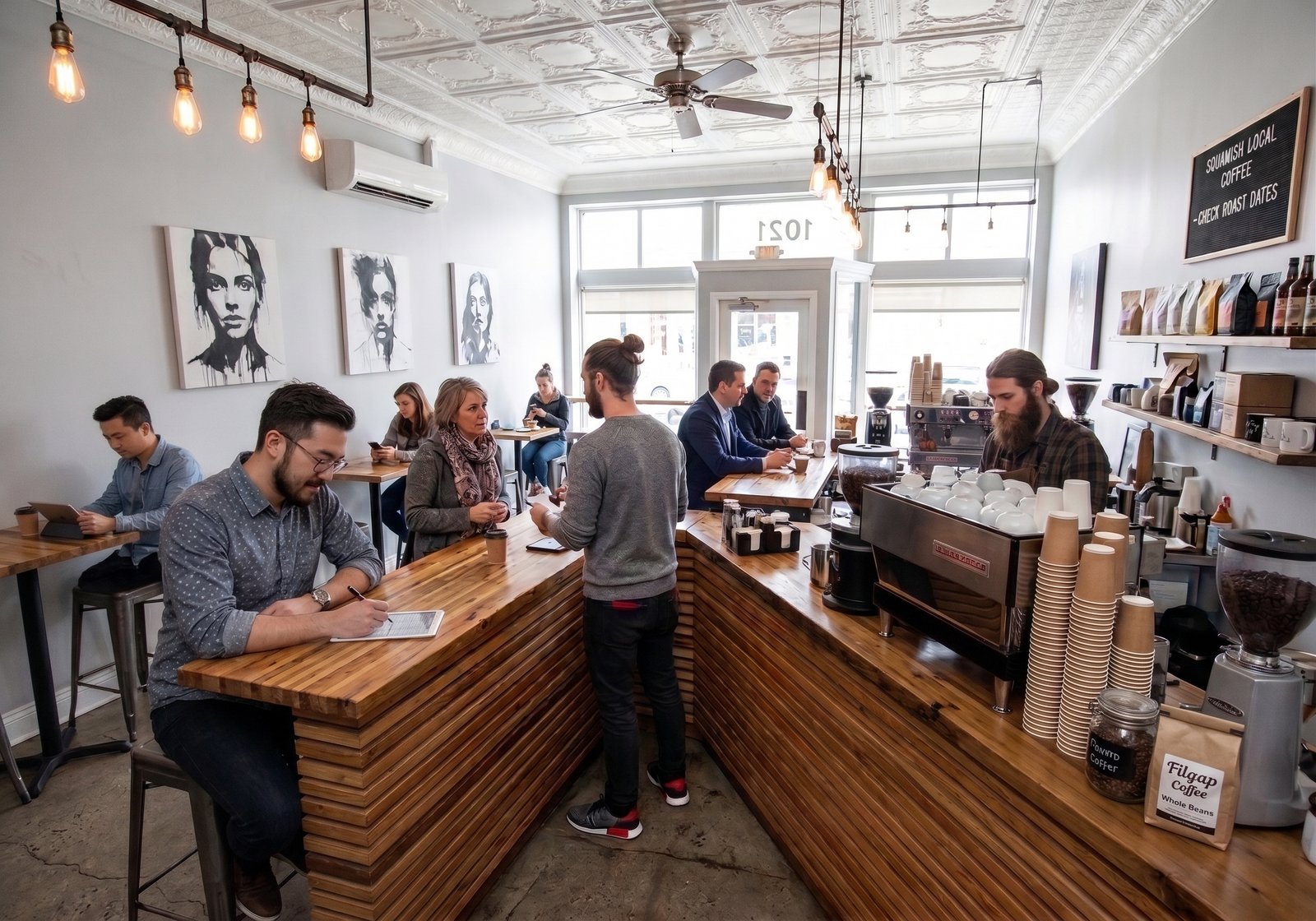
How Do You Study Competitors Without Copying Them?
Visiting good coffee shops gives me ideas. The harder part is understanding why those ideas work there before deciding whether any of them belong in Filgap.
-

How I Would Research a Small Coffee Market Before Signing a Lease
A map and a spreadsheet can tell me where to look. Before signing a lease, I also want to see how the cafés, customers, streets and buildings actually work in everyday life.
-

How Do You Know If a Town Can Support Another Coffee Business?
Squamish is growing, but it already has plenty of places to buy coffee. Population and competition can tell me whether another coffee business is plausible. They cannot tell me whether people want Filgap.
-
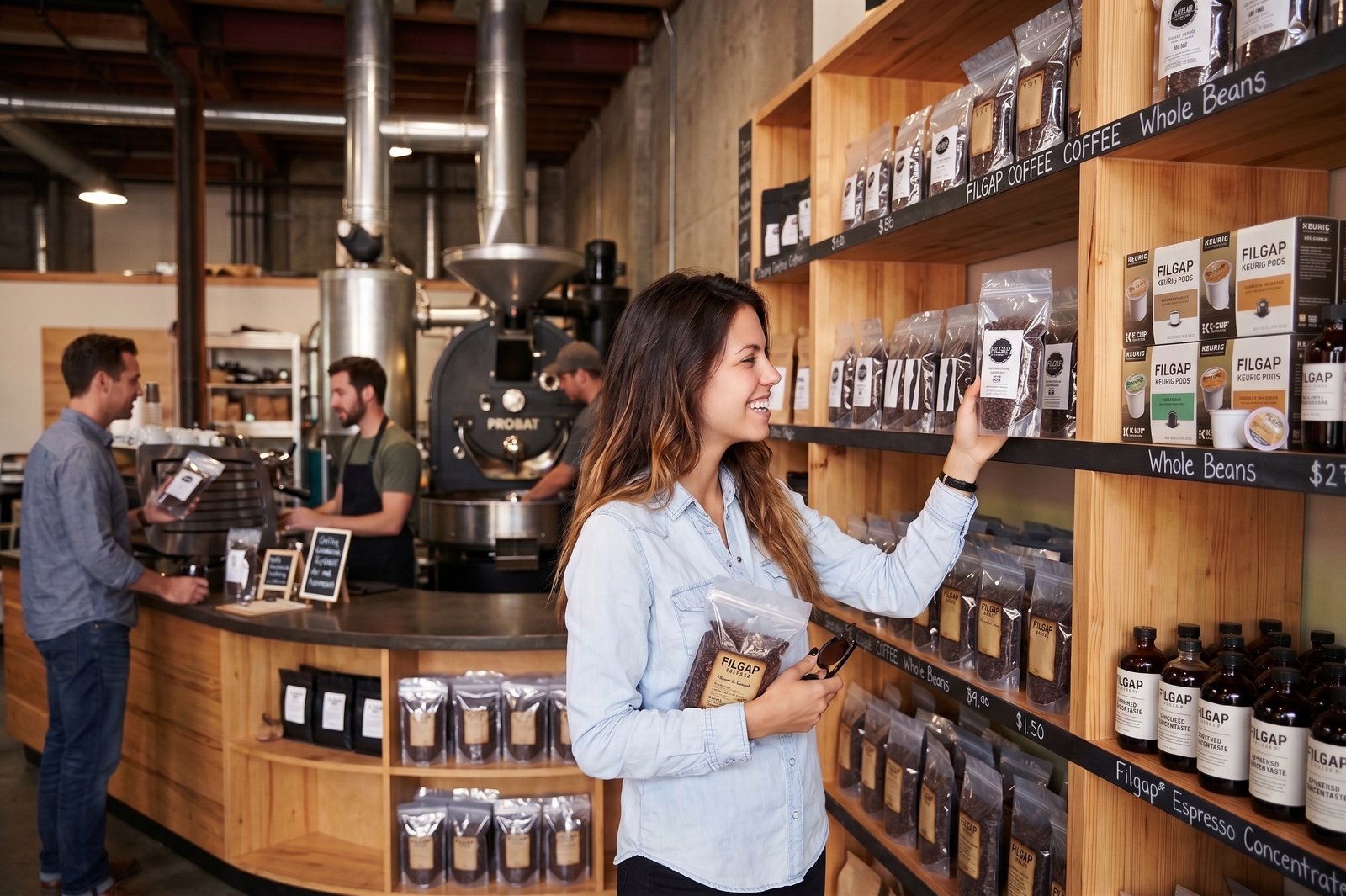
What Would Success Actually Look Like?
Selling coffee once would be encouraging. Seeing people come back, while keeping the coffee consistent and the business healthy, would tell me something much more important.
-
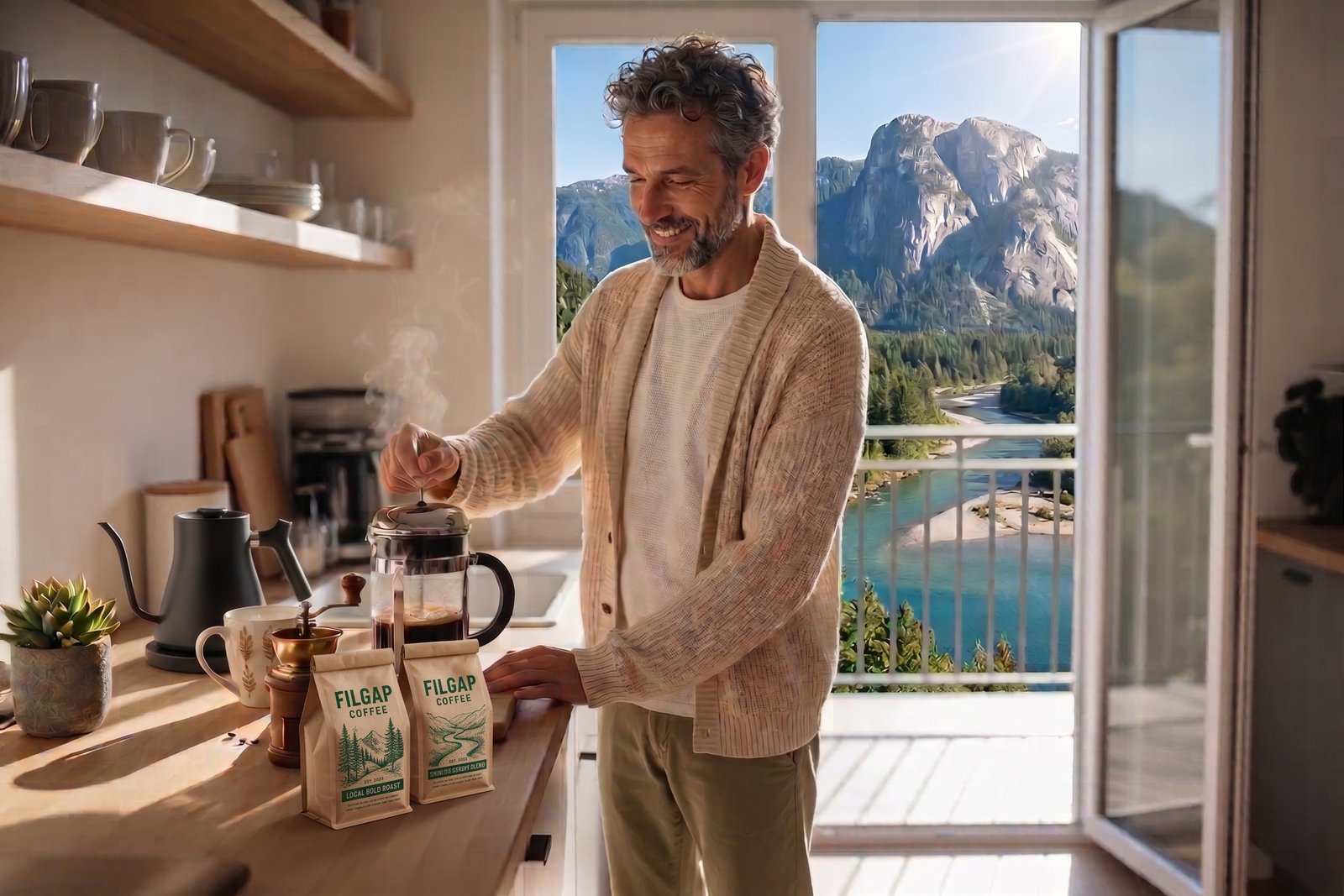
Who Am I Actually Building This For?
A useful customer profile needs more than age or income. I’m learning more by asking how people make coffee at home, what they buy, and what changes when convenience matters.
-
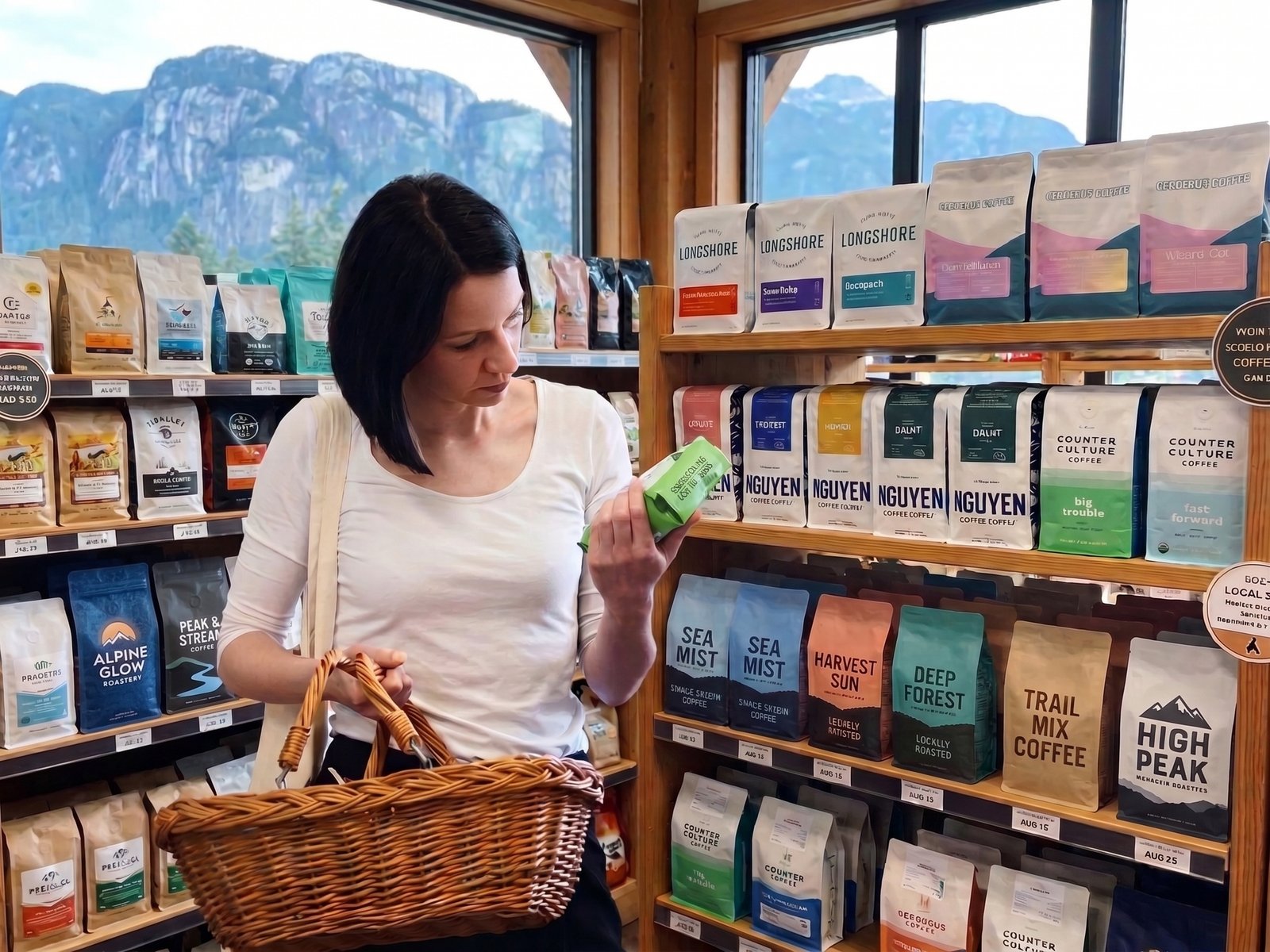
What Problem Should a Coffee Business Solve?
Filgap did not begin with a café or a floor plan. It began with a habit: turning over bags of coffee to check the roast date and wondering if other people in Squamish were doing the same.
-
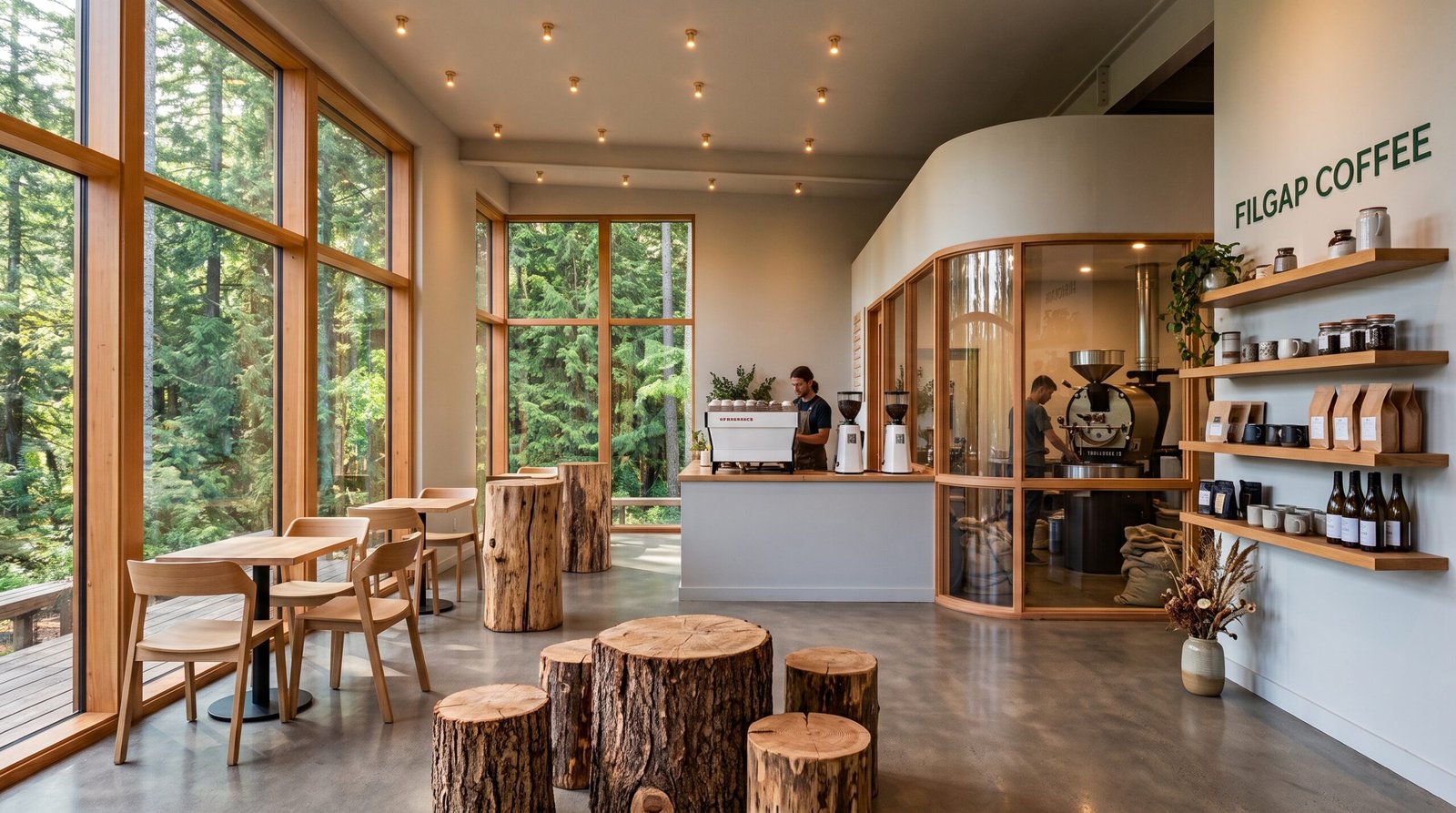
What Kind of Roastery and Tasting Room Do I Actually Want to Build?
Before floor plans, square footage or seating, there is a simpler question: what should a future Filgap roastery and tasting room actually be for?