Journal
Dreams, progress, and research documenting how Filgap Coffee is taking shape as a small-batch coffee roastery in Squamish.
-
A Business Plan Is Supposed to Change
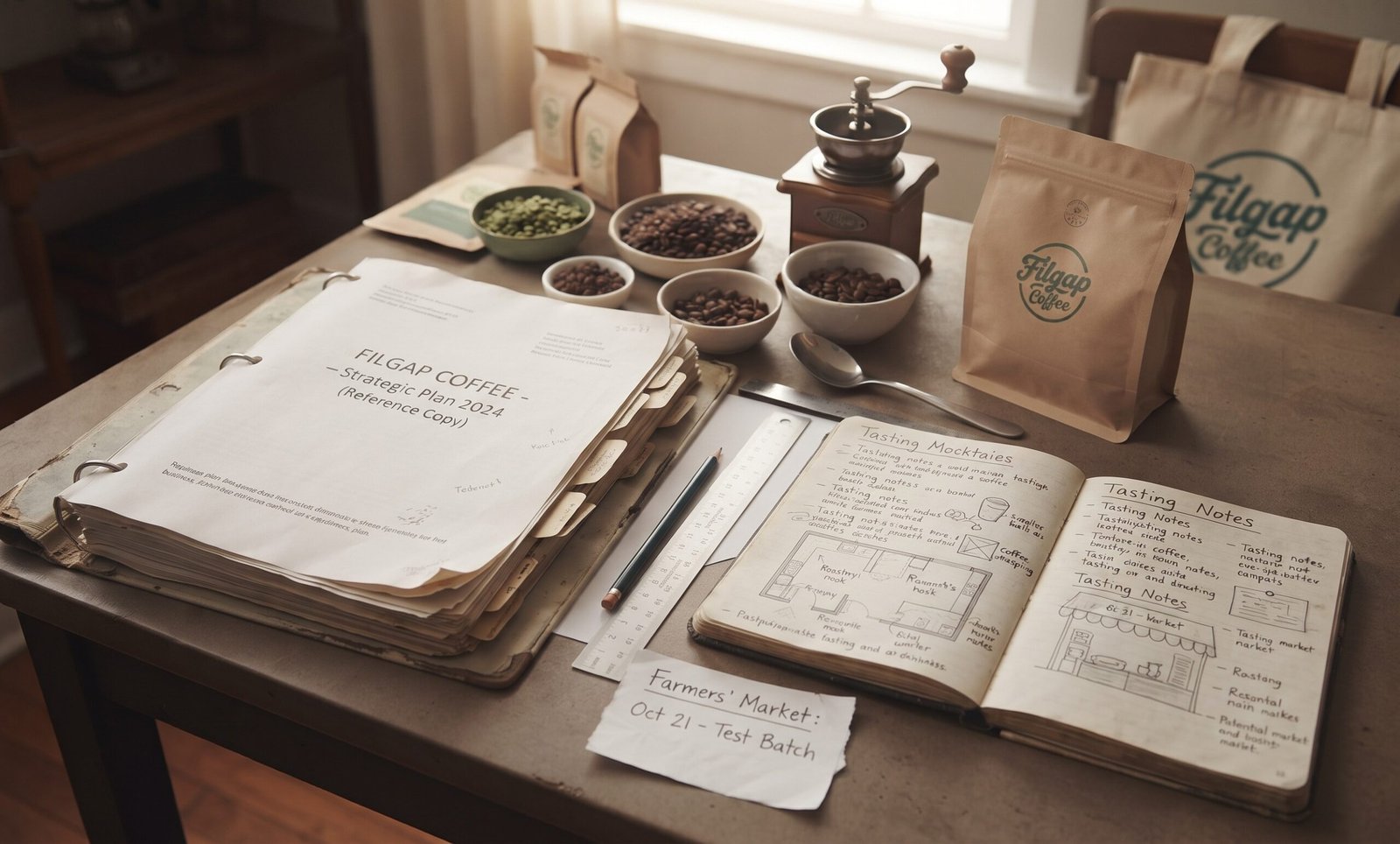
My 2024 business plan changed dramatically, but I still think it was a good plan. The model moved; the reason for Filgap did not, and the planning still matters.
-
How I Turn a Coffee Shop Plan Into a Timeline
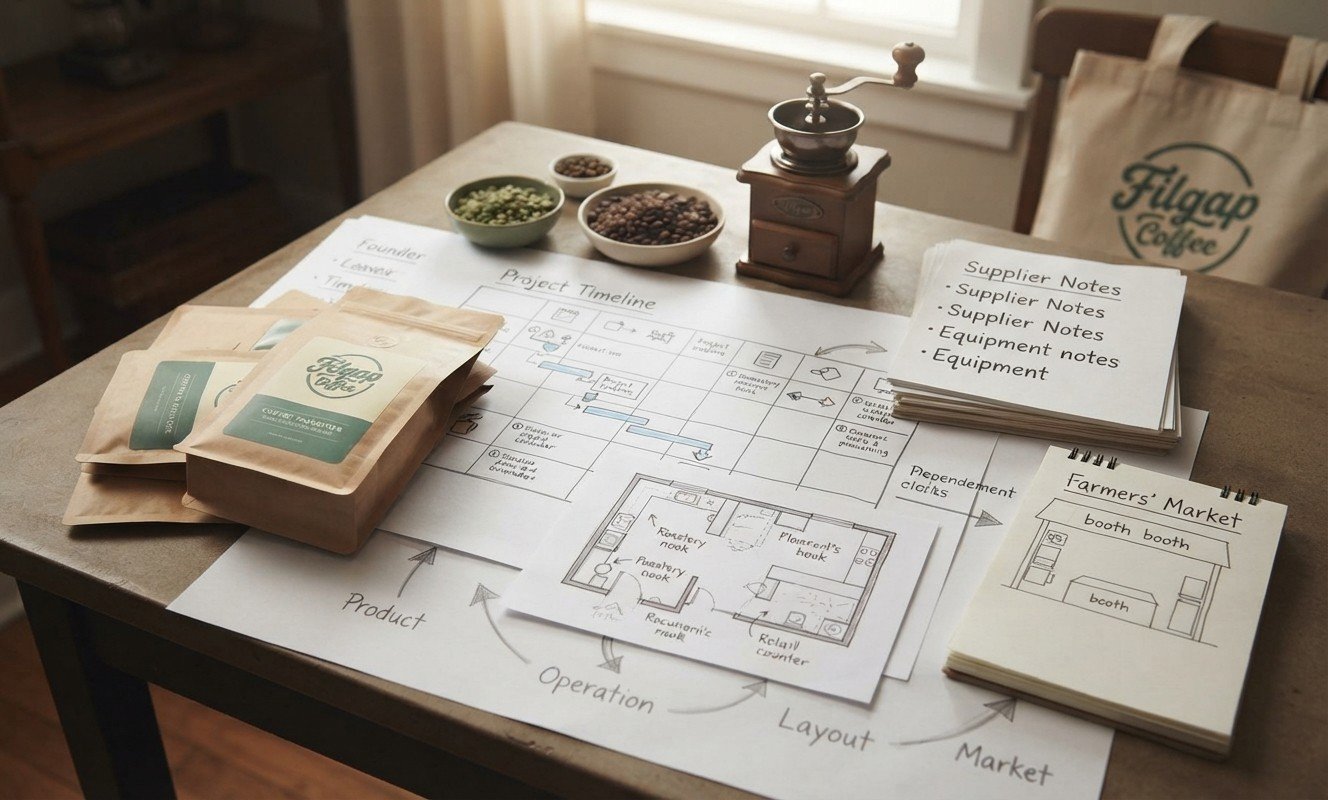
A useful opening timeline is more than a list of dates. I work backward from real deadlines, map what depends on what, and leave buffer where one delay can move everything behind it.
-
What Could Break the Business?
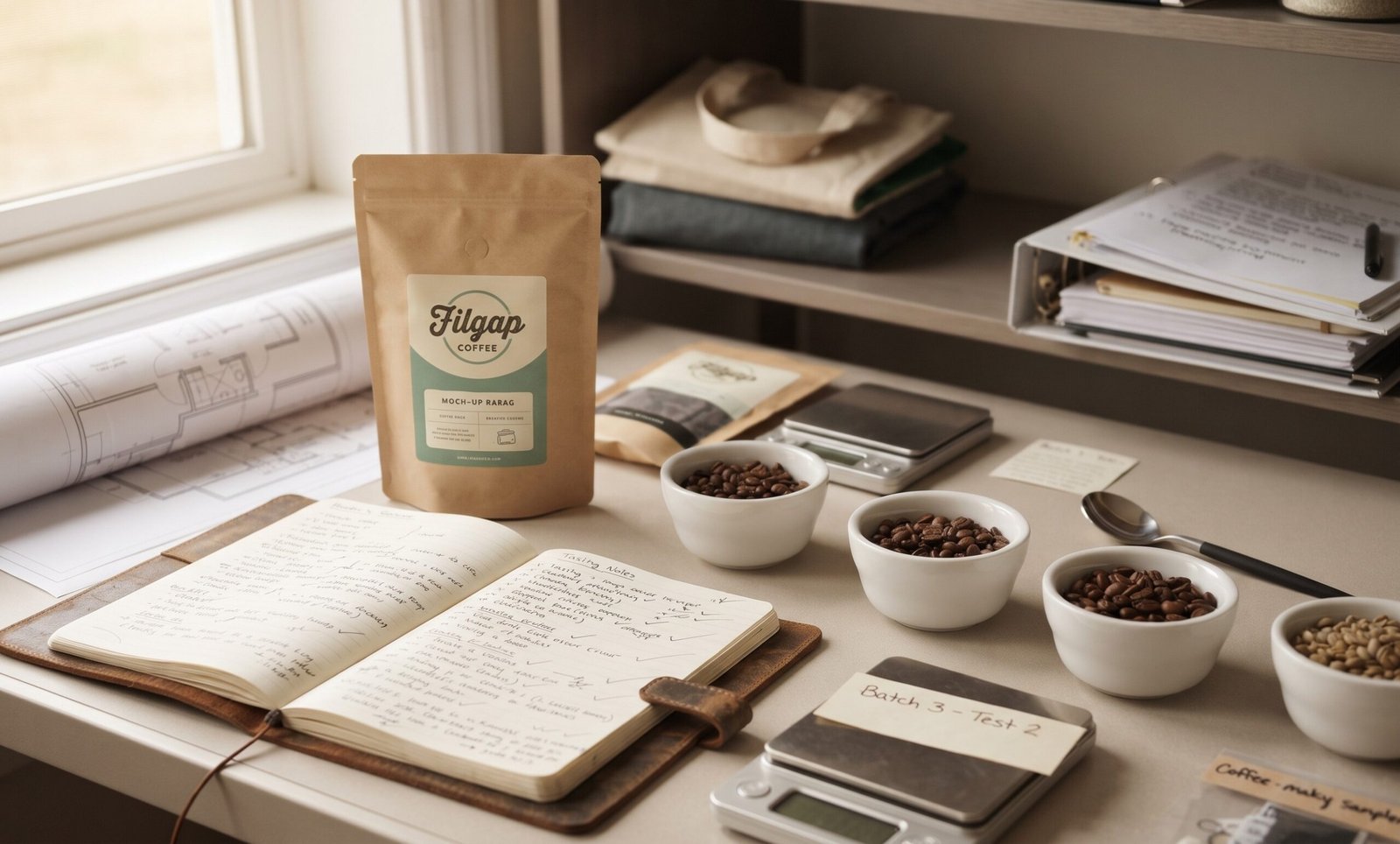
Before I worry about sales, I need a product worth selling. For Filgap, risk starts with quality and keeping enough room to learn when an assumption is wrong.
-

Why Profit on Paper Is Not the Same as Cash in the Bank
Profit and cash answer different questions. I look at what the business earns, what the cash already needs to cover, and what should stay in the bank for the next stage.
-
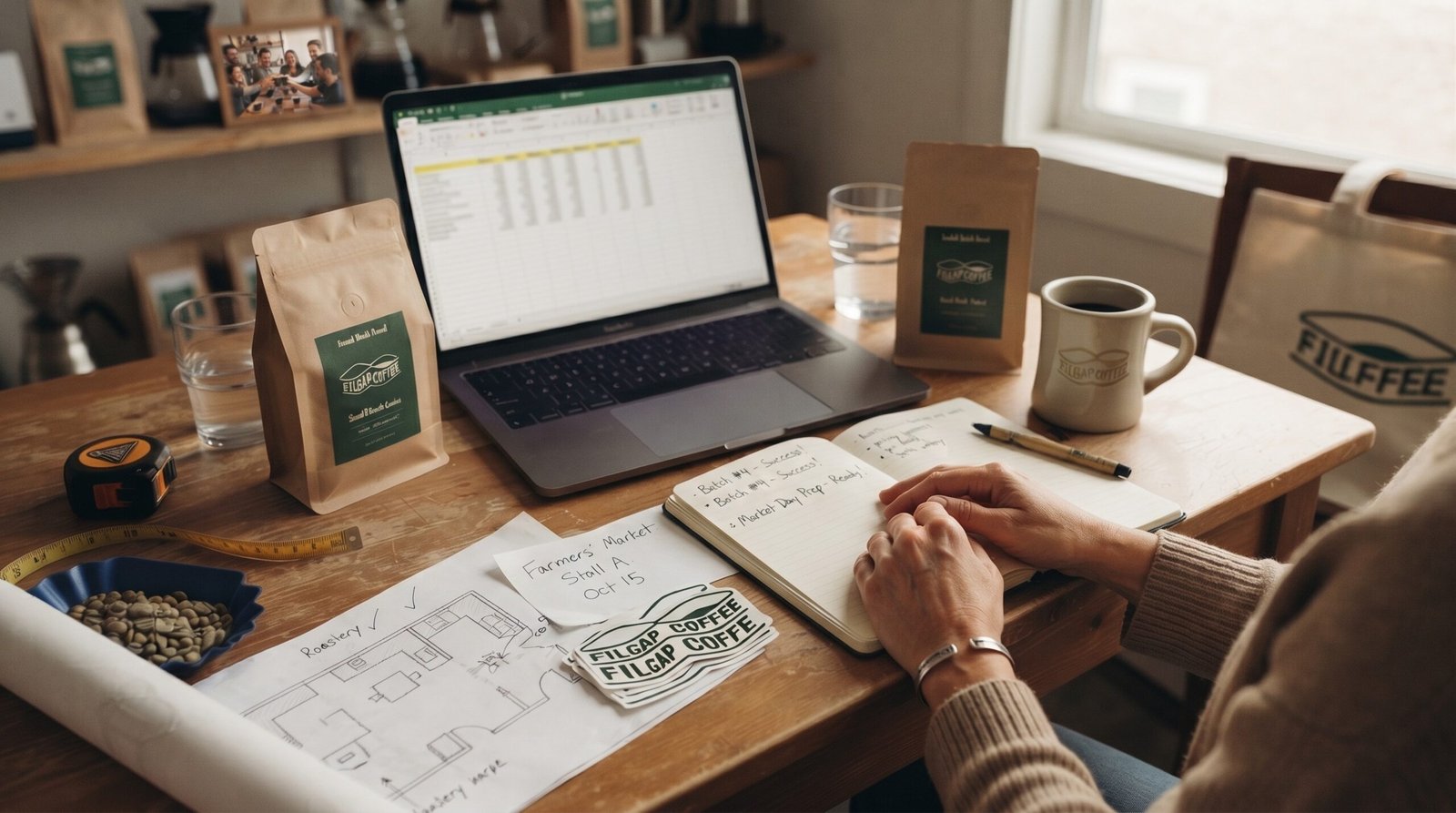
How to Build a Sales Forecast Without Pretending You Know the Future
Before I trust a sales forecast, I want to know what assumptions are creating it. For Filgap, that means looking from the top, building from the bottom, and replacing guesses with what actually happens.
-
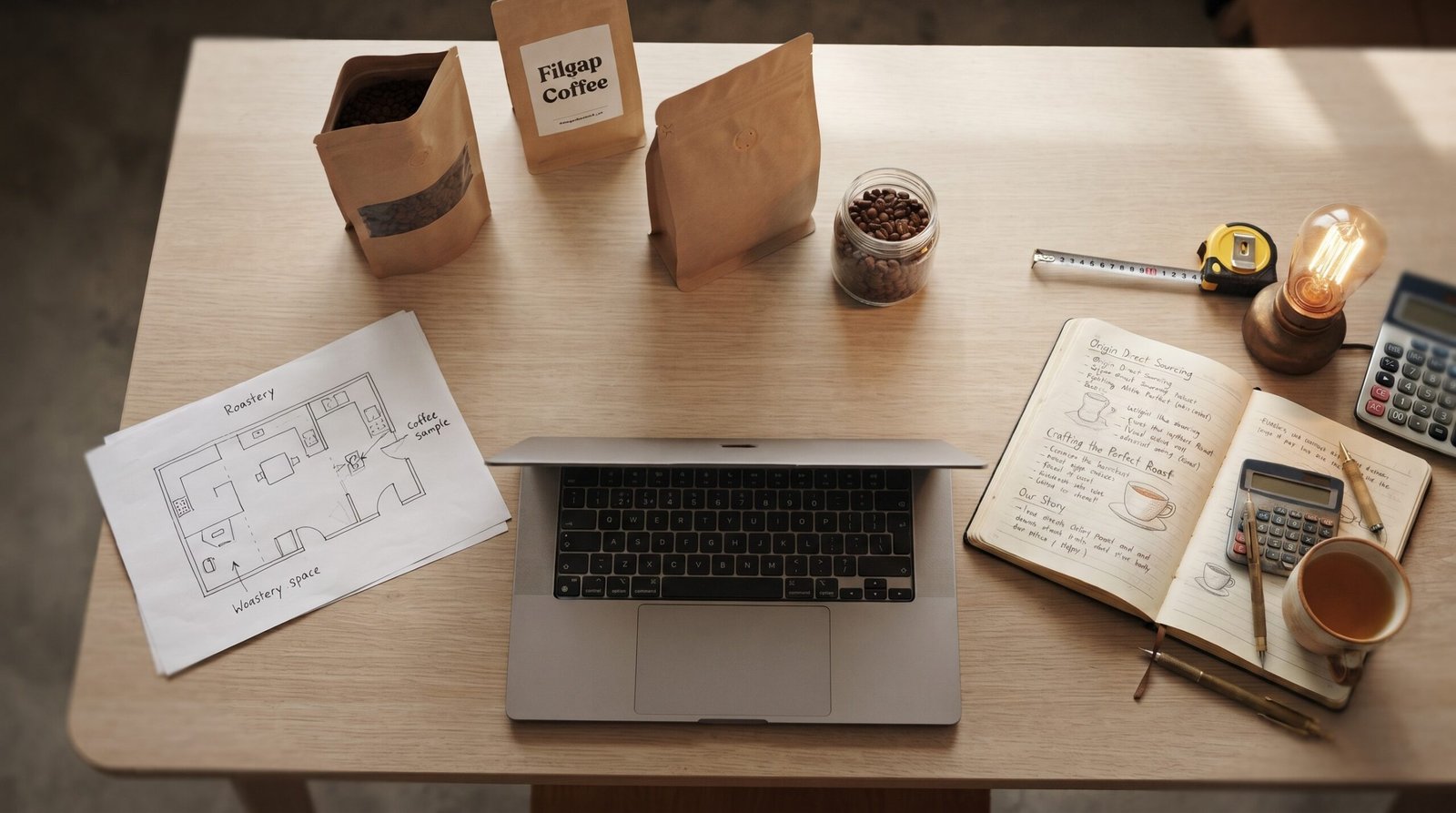
How I Build a Coffee Shop Start-Up Cost Model
I do not start with a budget and fill in a shopping list. I start with the product, trace what the business really requires, price the setup as completely as I can, and only then put a cap around the total.
-
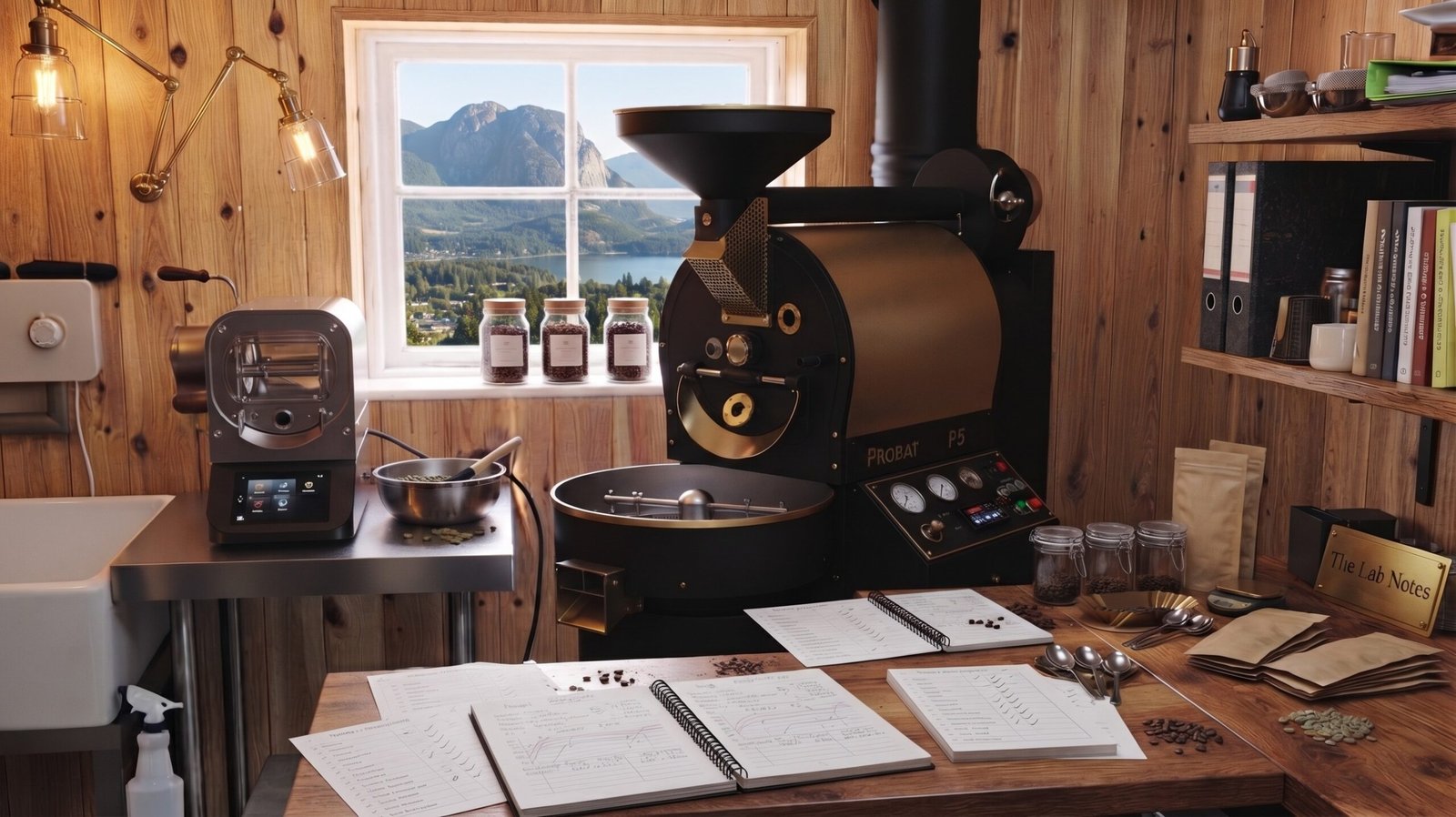
A Coffee Shop Is a System Before It Is a Room
A coffee business can stay small without depending entirely on memory. I am thinking about the few records, handoffs and feedback loops that need to connect before the room itself.
-

How Many People Does a Small Coffee Business Really Need?
I do not want to choose a headcount first. I want to understand the work, what can happen at different times, what must happen at the same time, and when another person actually solves a real operating problem.
-
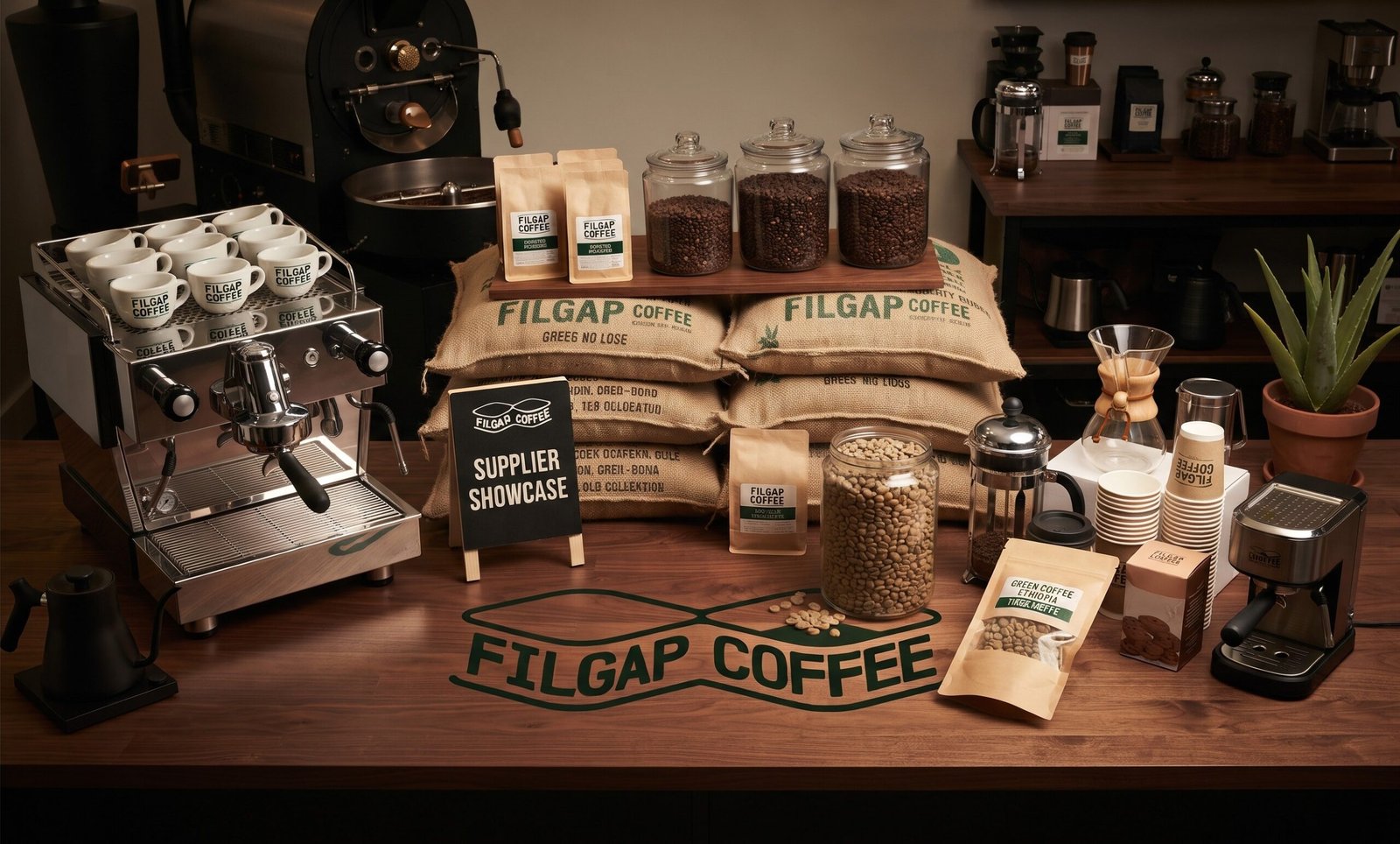
How I Would Build a Supplier List Before Opening
Before opening, I want more than a list of supplier names. I need to understand how price, inventory, lead time, green coffee, packaging and supplier relationships will actually work for a small roastery.
-
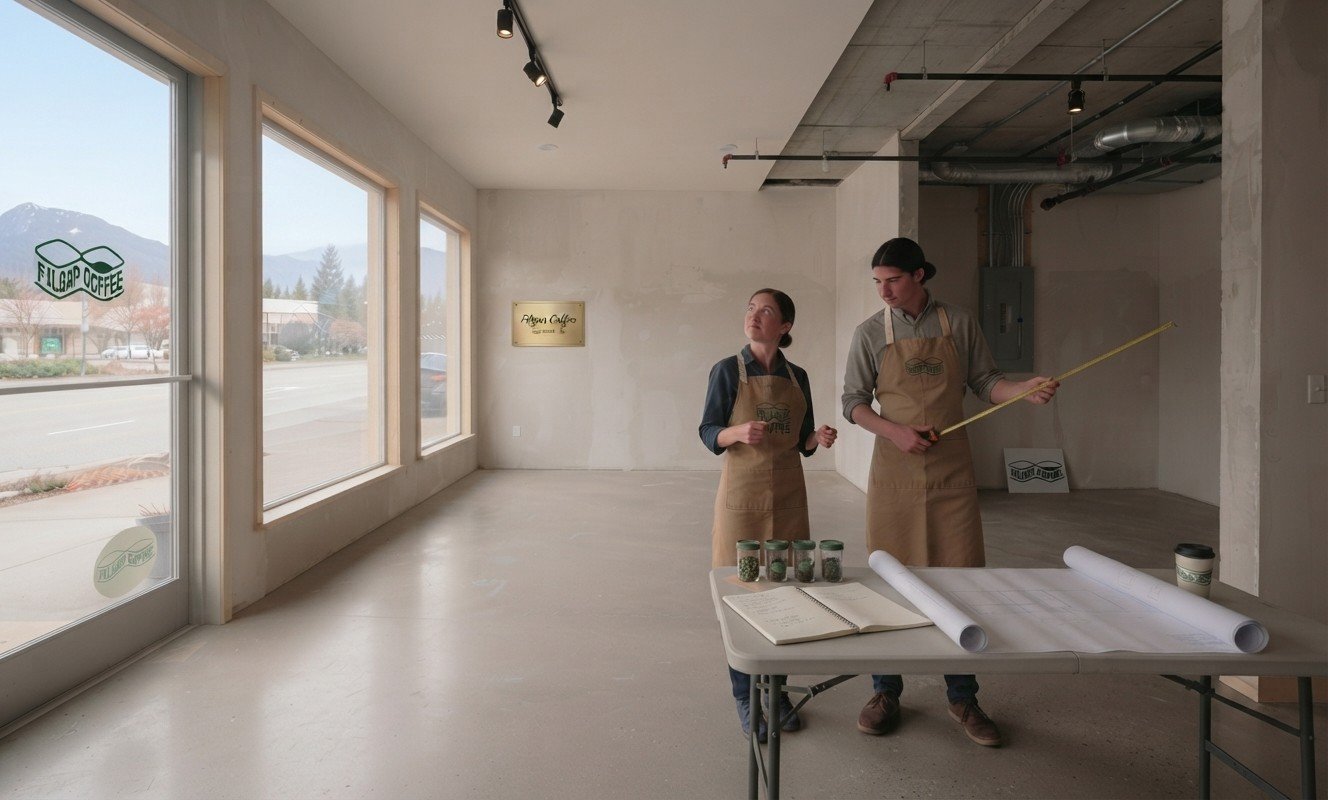
What Permits Might a Coffee Roastery and Tasting Room Need?
I have opened coffee stores before, but never in Canada. Before signing a future Filgap lease, I want to understand what the property, menu, roaster and building will actually need to be approved.
-
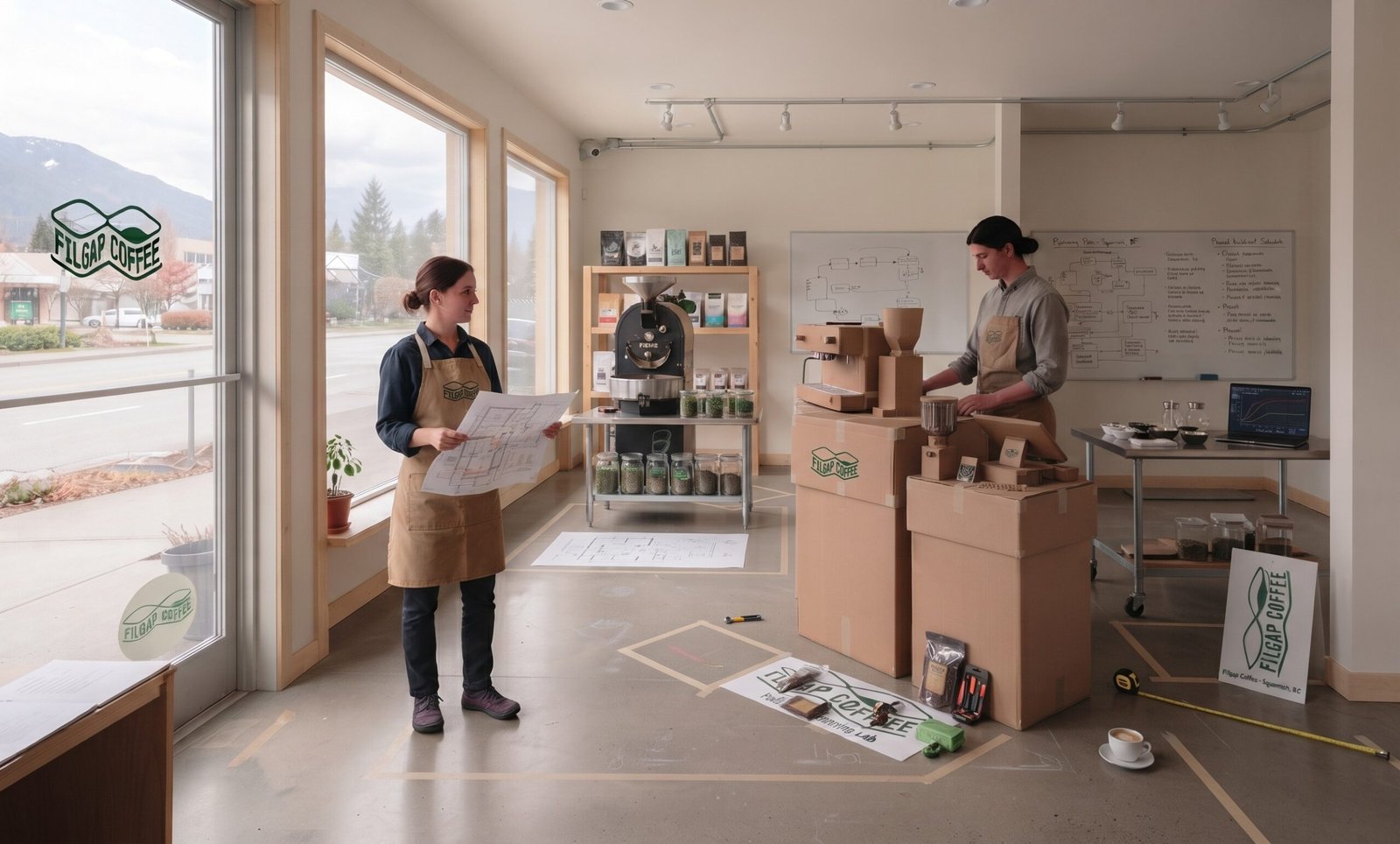
Before Buying Equipment, Design the Workflow
Before I decide where the espresso machine goes, I want to know how customers, staff and coffee will move through the room. A few unnecessary steps become a lot after a full shift.
-
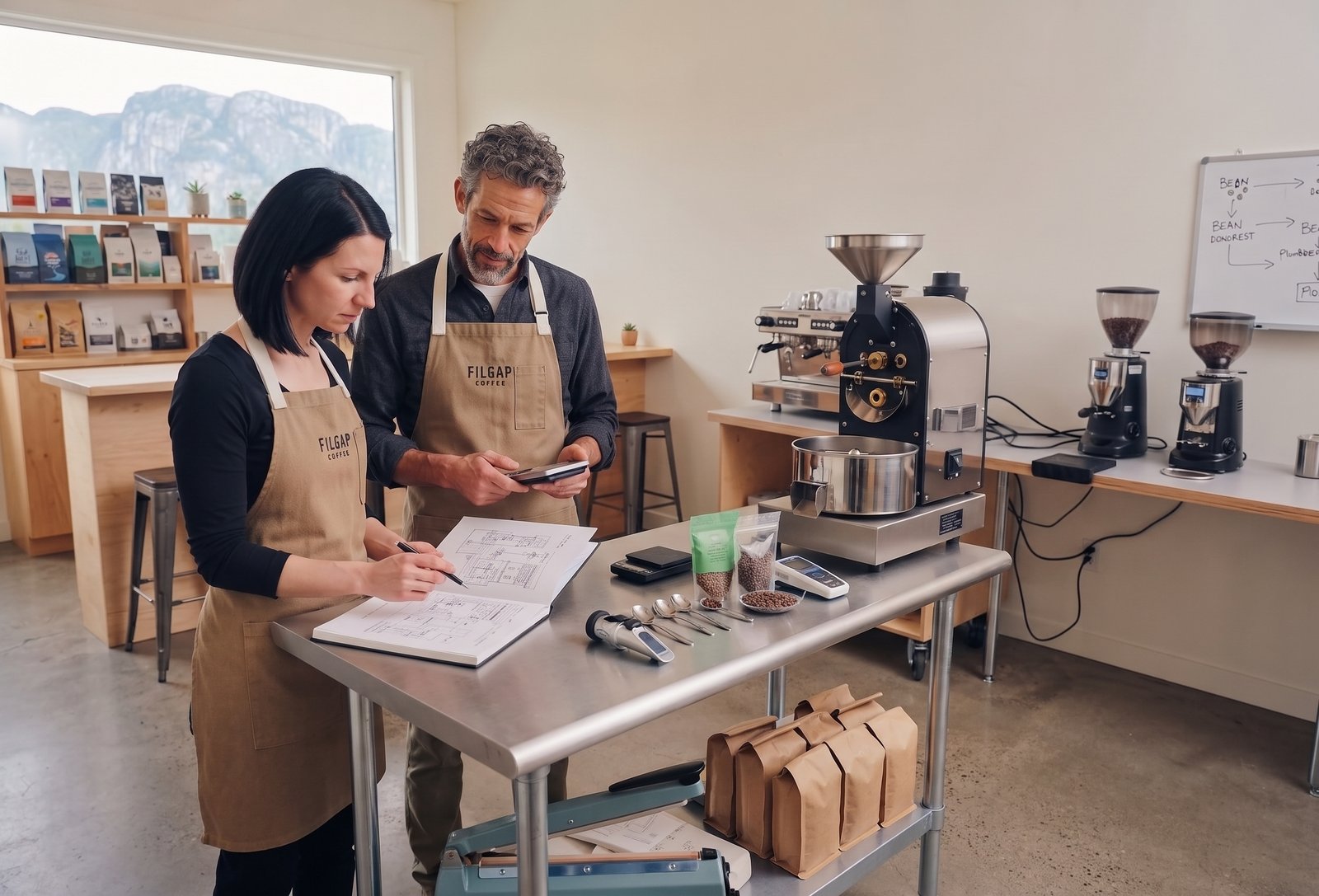
What Equipment Does a Coffee Shop Actually Need?
A coffee shop can buy a long list of equipment. I would start with the quality and work the business actually needs, then add machines only when they solve a real problem.
-
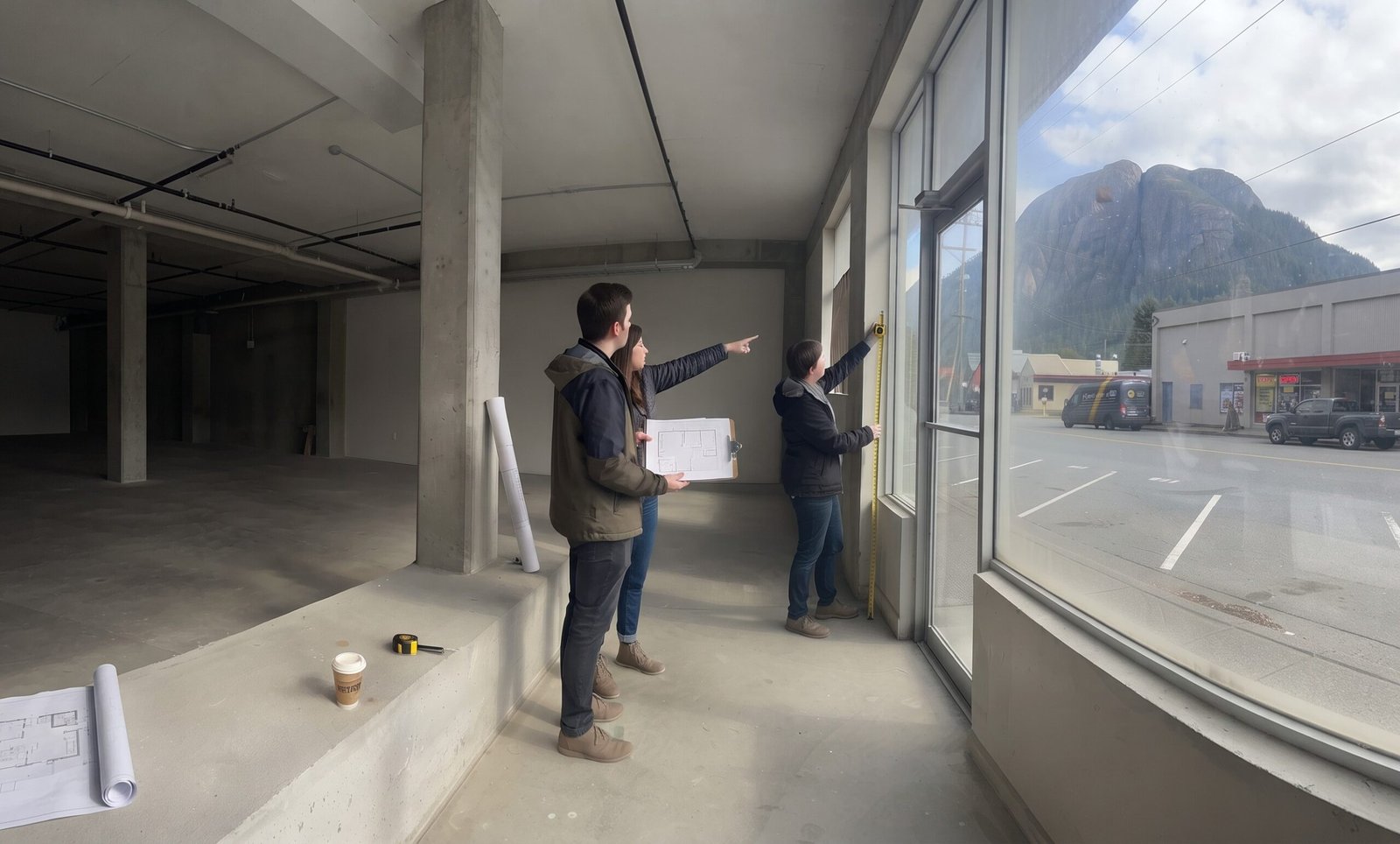
What Makes a Good Coffee Shop Location?
A busy corner can be a great coffee shop location and still be wrong for Filgap. I would also look at parking, building fit, rent and whether I could stay there for years.
-
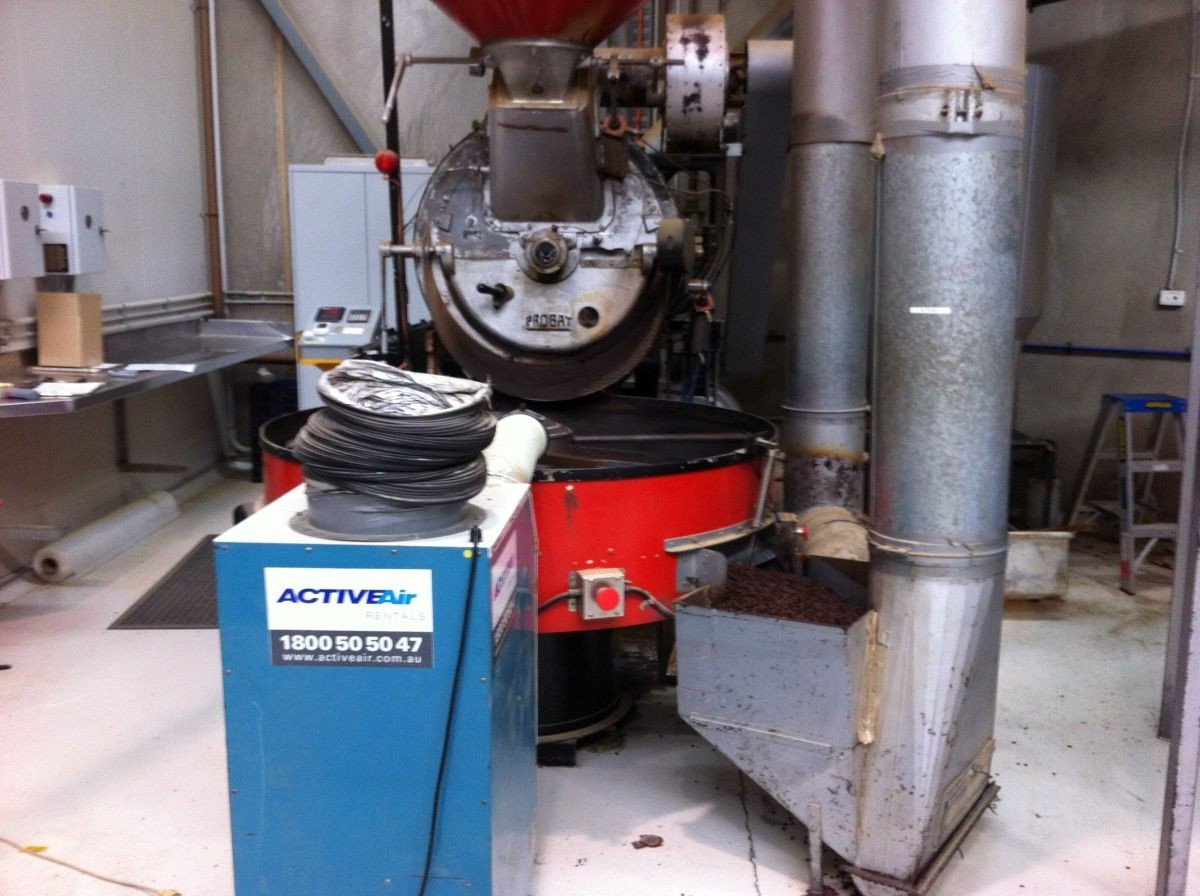
What Makes Roast Consistency Possible Beyond the Roaster?
Looking back at a Sydney roasting facility I visited in 2012, the most useful lessons were not in the old roaster itself, but in the cooling, measurement, cleaning and routines built around it.
-
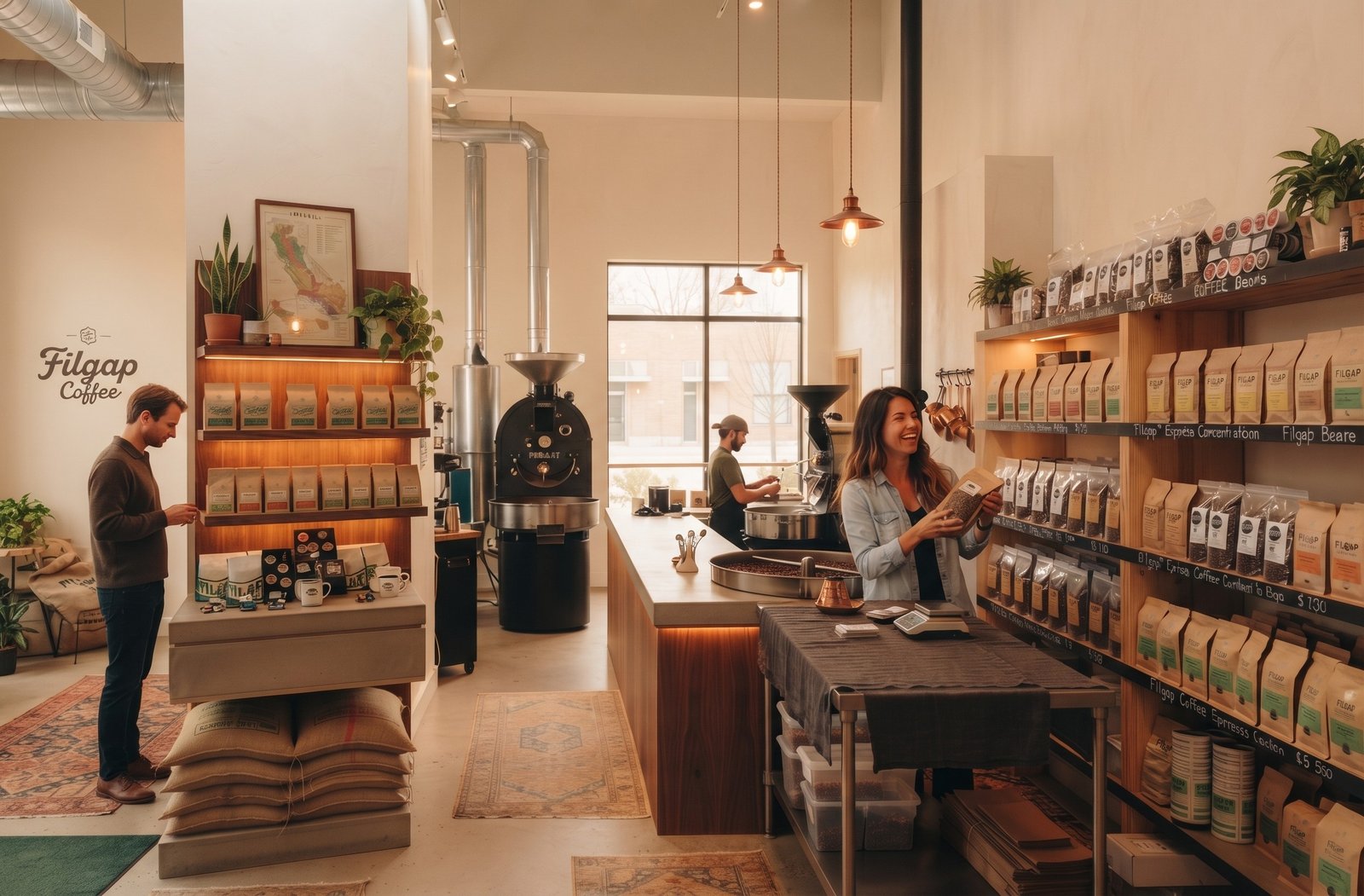
Why I Want the Roaster to Be Part of the Room
If Filgap promises freshly roasted coffee, I want customers to see some of the work behind it. But a visible roaster also creates real questions about staffing, storage, air, noise and space.
-
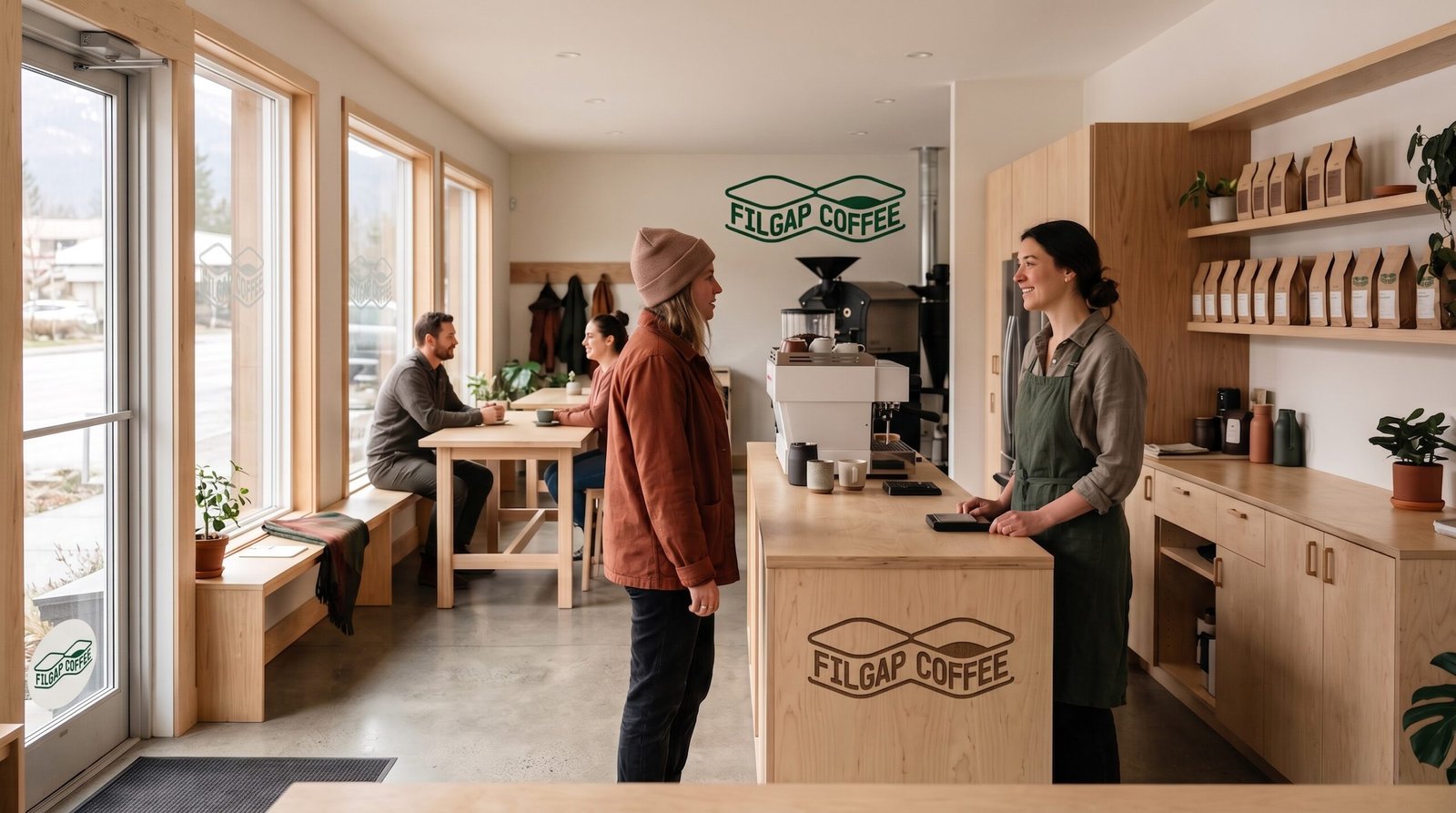
What Should a Coffee Space Feel Like Before You Decide What It Looks Like?
Before choosing furniture, colours or materials, I would first decide how the room should welcome people, support conversation and make coffee feel easy to approach.
-
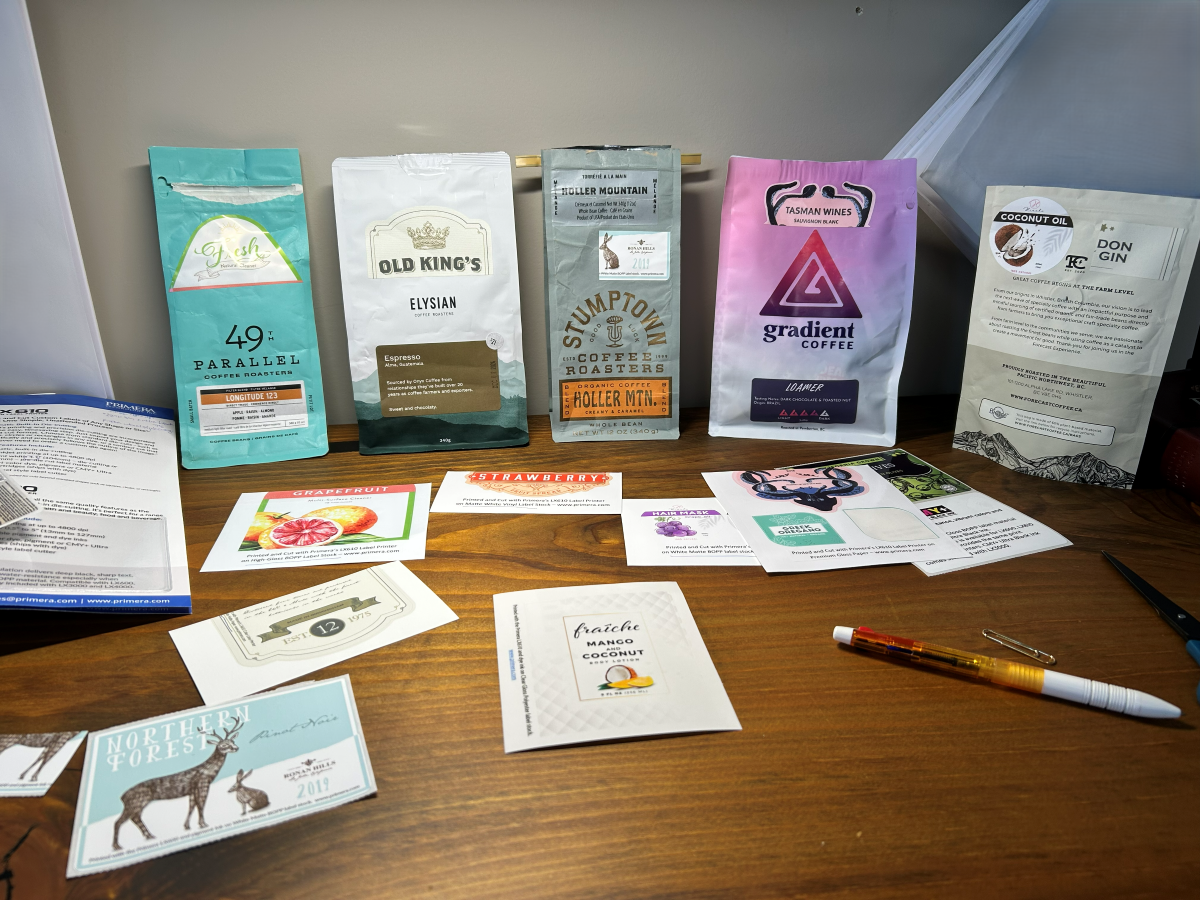
What Does the First Filgap Coffee Bag Need to Do?
I thought the first Filgap coffee bag would mostly be a design decision. Comparing materials, labels, printing systems and local recycling made it a much bigger product and production question.
-
How Should a Small Coffee Business Think About Pricing?
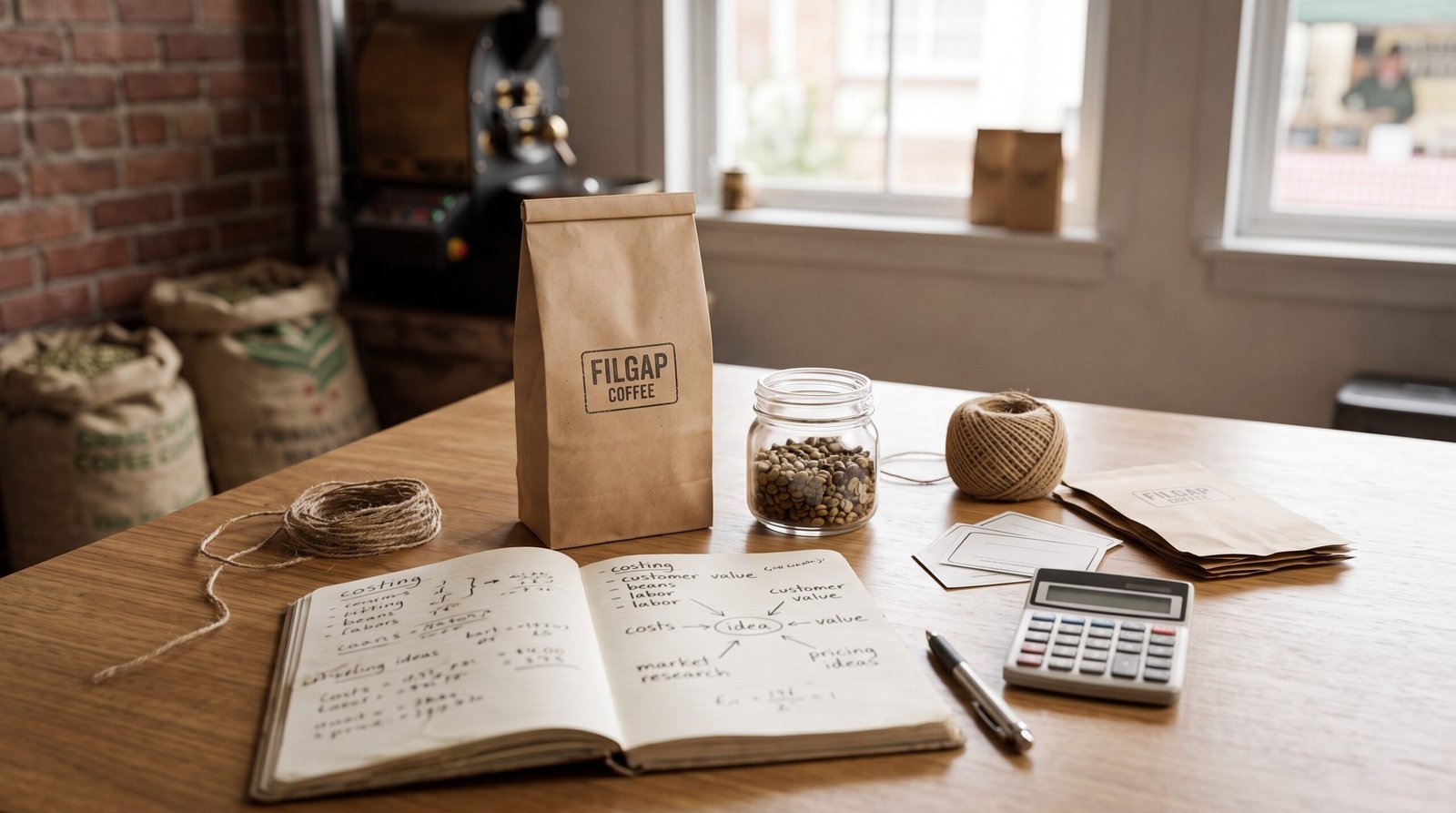
A sustainable coffee price has to work for both sides: the business must be able to make the product properly, and the customer must be willing to come back.
-
How I Think About a Coffee Menu Before Choosing the Drinks
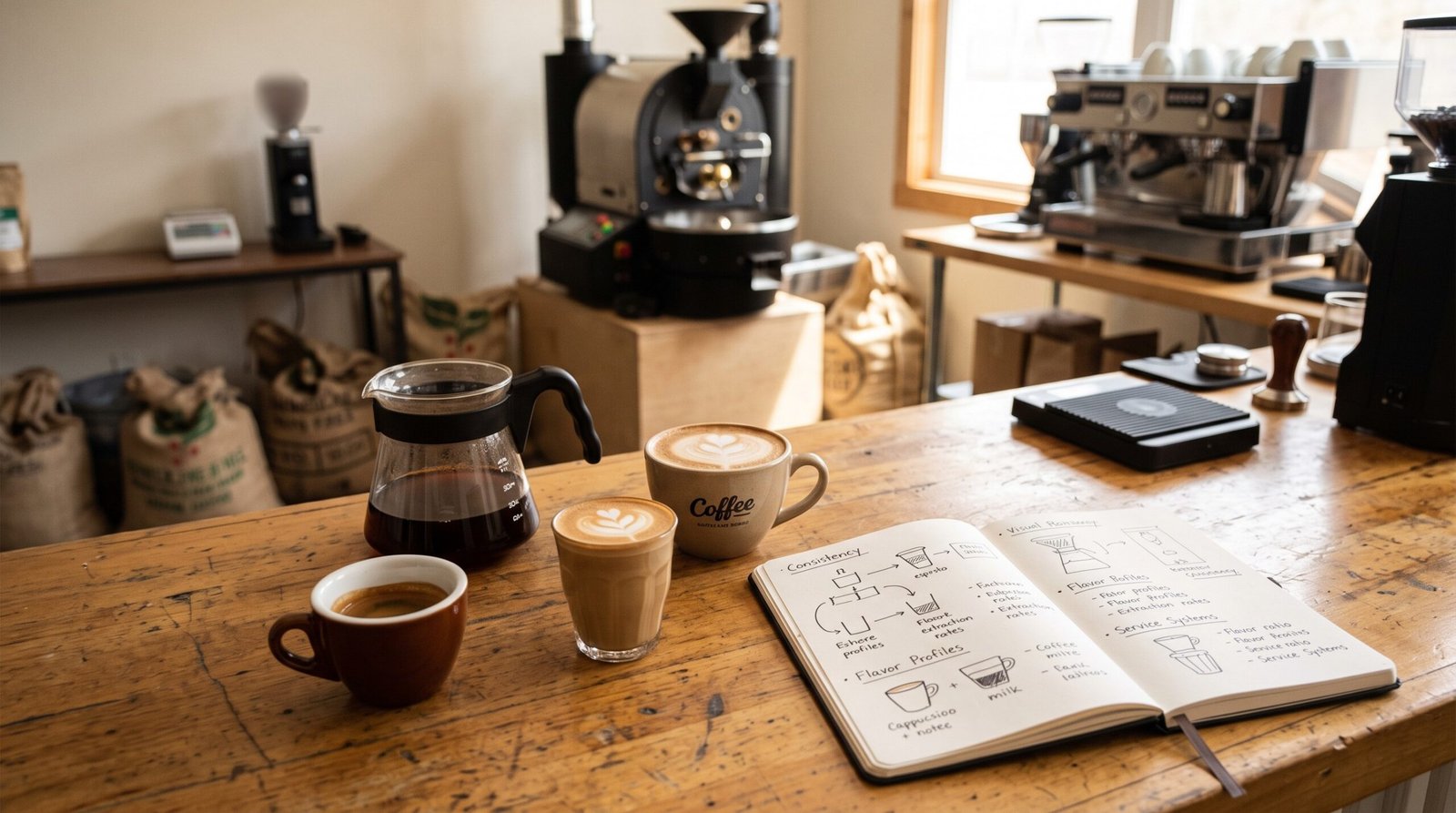
Before choosing lattes, flat whites or signature drinks, I would first decide what the coffee should taste like, what customers need to understand, and what the bar can make consistently.
-
Why Whole-Bean Coffee Sits at the Centre of My Plan
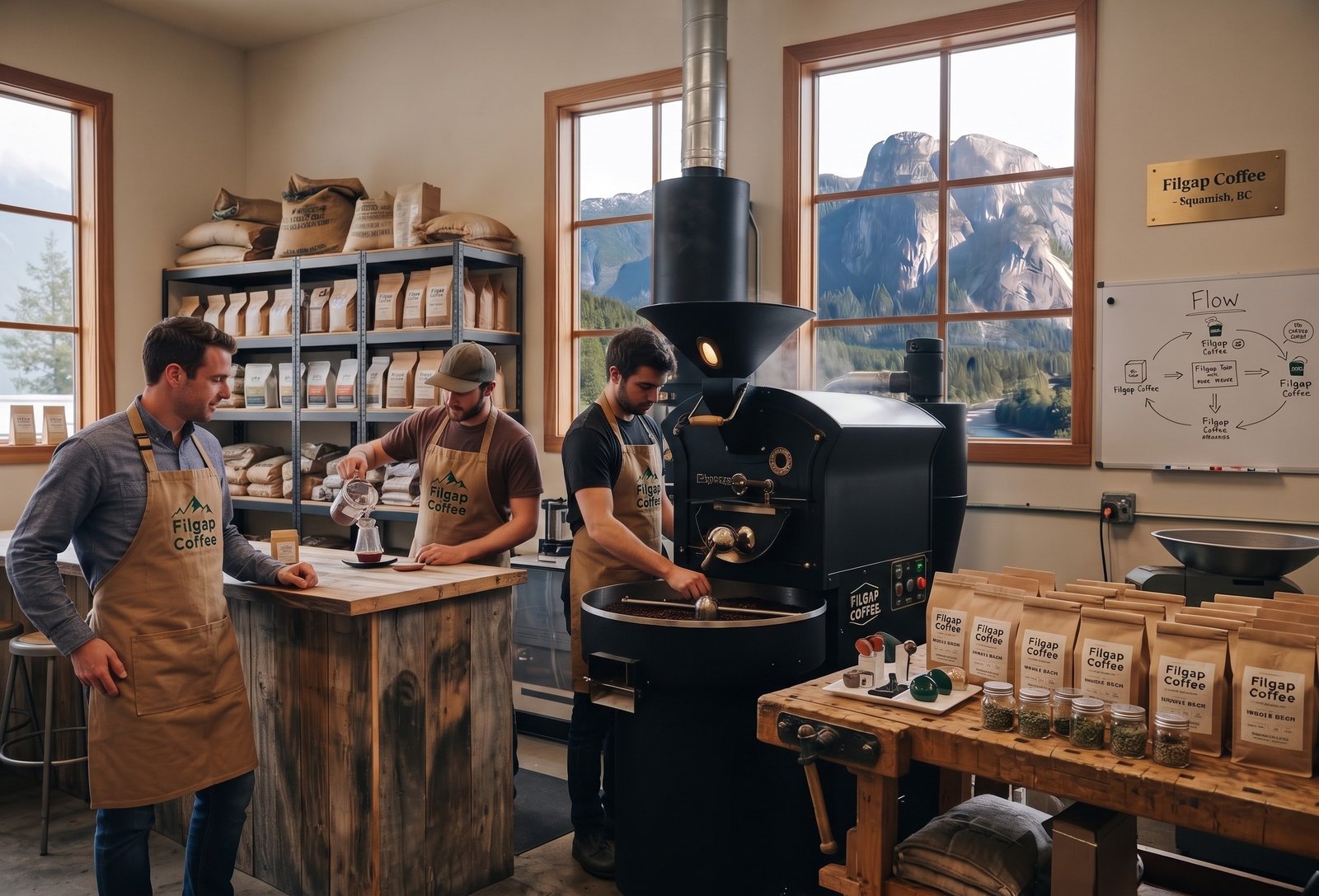
Whole-bean coffee is more than one product in my plan. It is the part that keeps roasting, freshness, repeat buying and the future tasting room connected.
-
How Big Does a Coffee Shop Menu Really Need to Be?
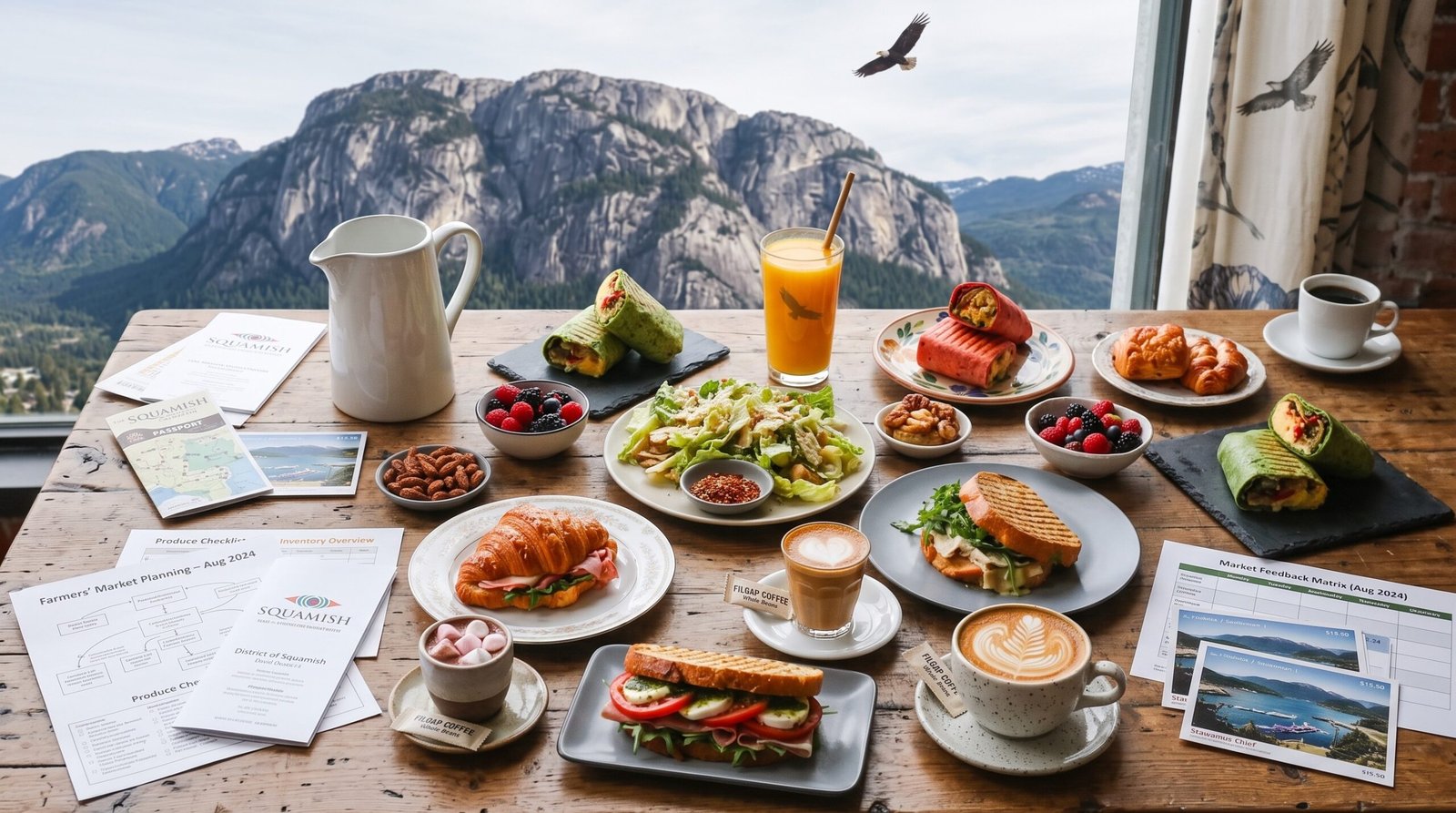
A bigger menu can serve more people, but every new item also brings equipment, storage, training, cleaning, waste and attention. So how much choice is actually enough?
-

How Much Café Can Fit Into One Room? Room 10, Sydney
Room 10 was one of the smallest cafés I photographed in Sydney in 2012. Looking back, the surprise is not its size but how much coffee, food, storage, seating and movement it managed to fit into one working room.
-
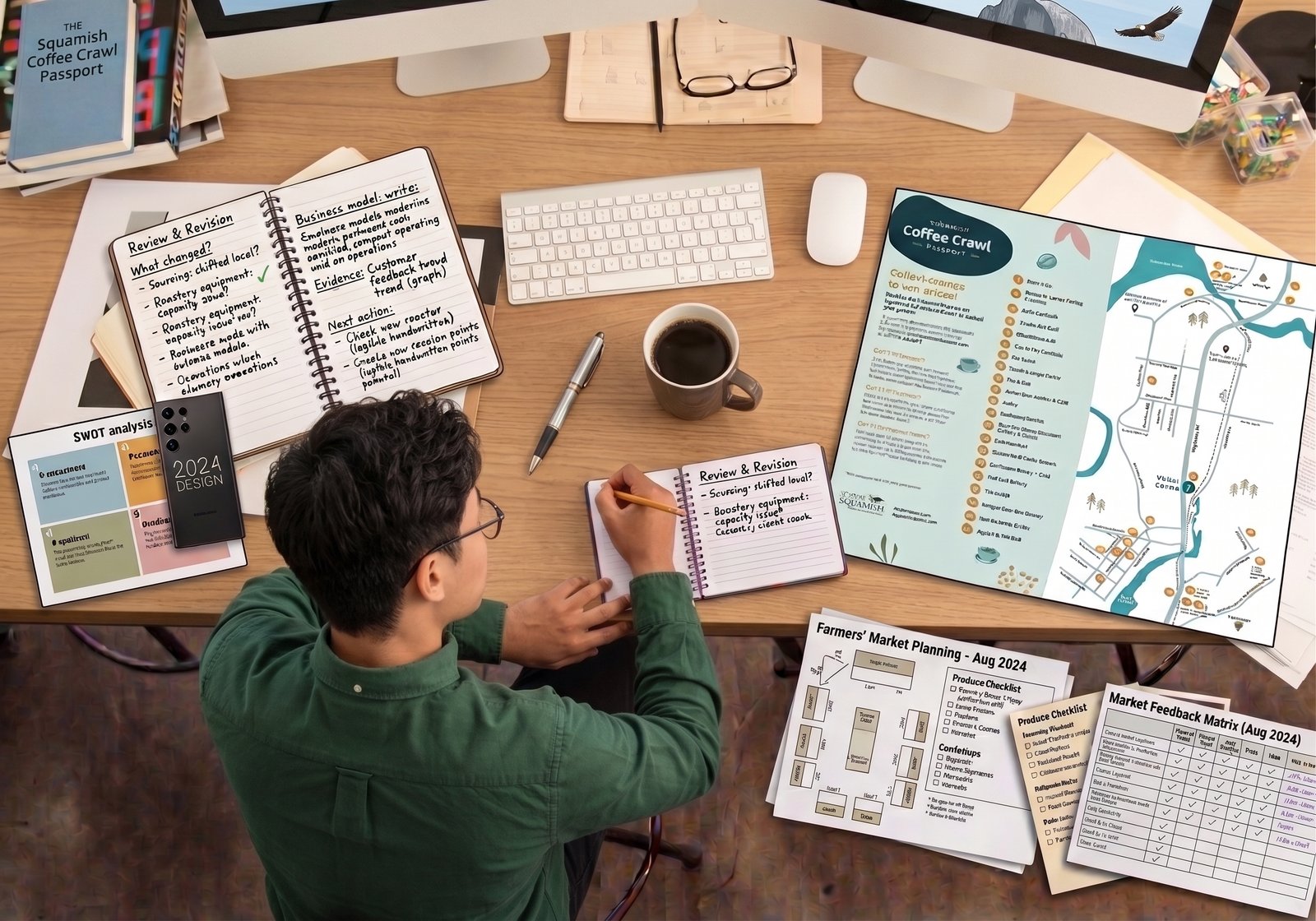
Is SWOT Analysis Actually Useful for a Small Coffee Business?
I made a tidy SWOT analysis for Filgap in 2024. Looking at it now, some strengths were still plans and some weaknesses were warnings I had not yet allowed to change the business.
-
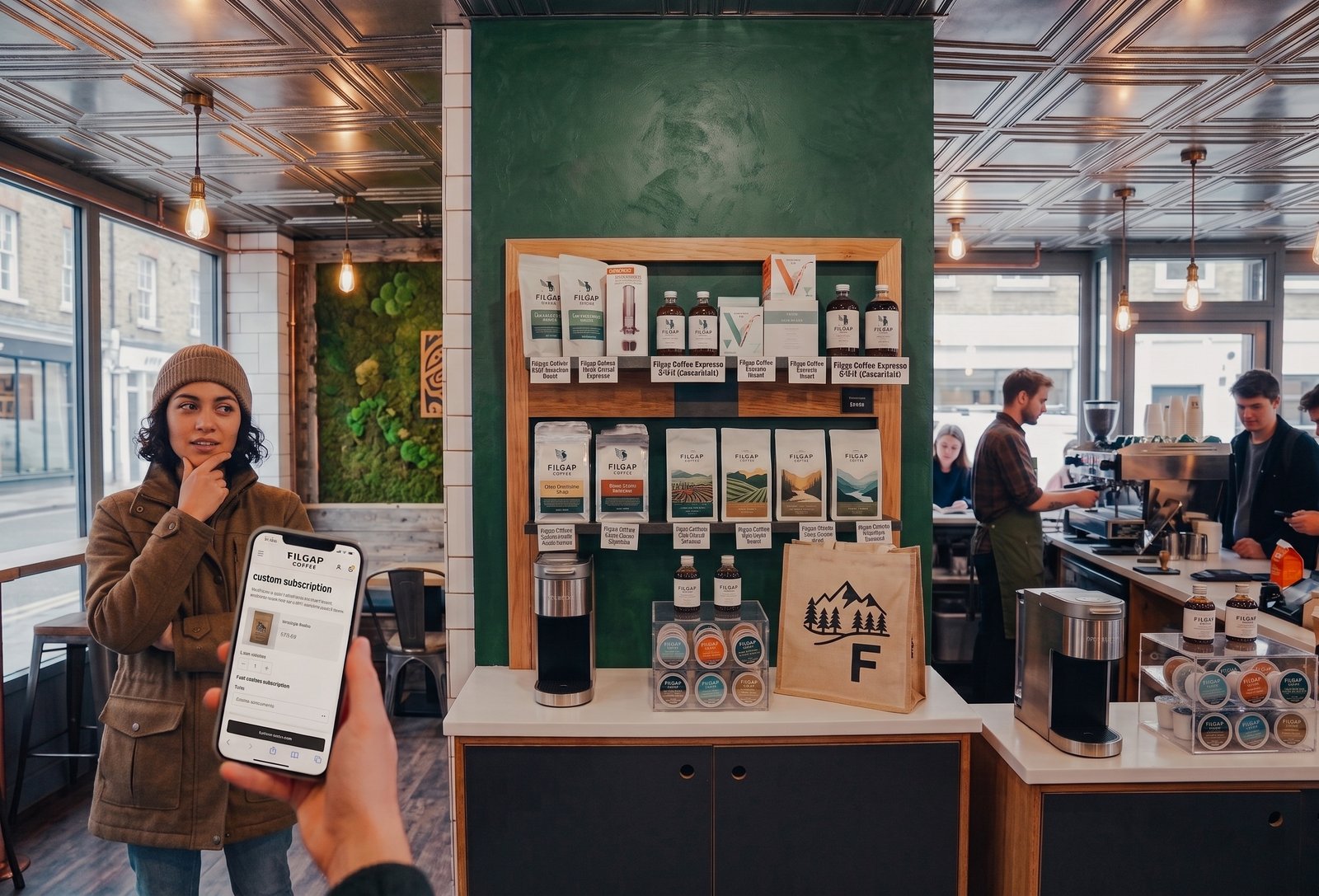
How Do You Find a Market Gap Without Inventing One?
It is easy to find reasons your own business idea should exist. The harder question is whether customers care enough about the same problem to change what they already do.
-
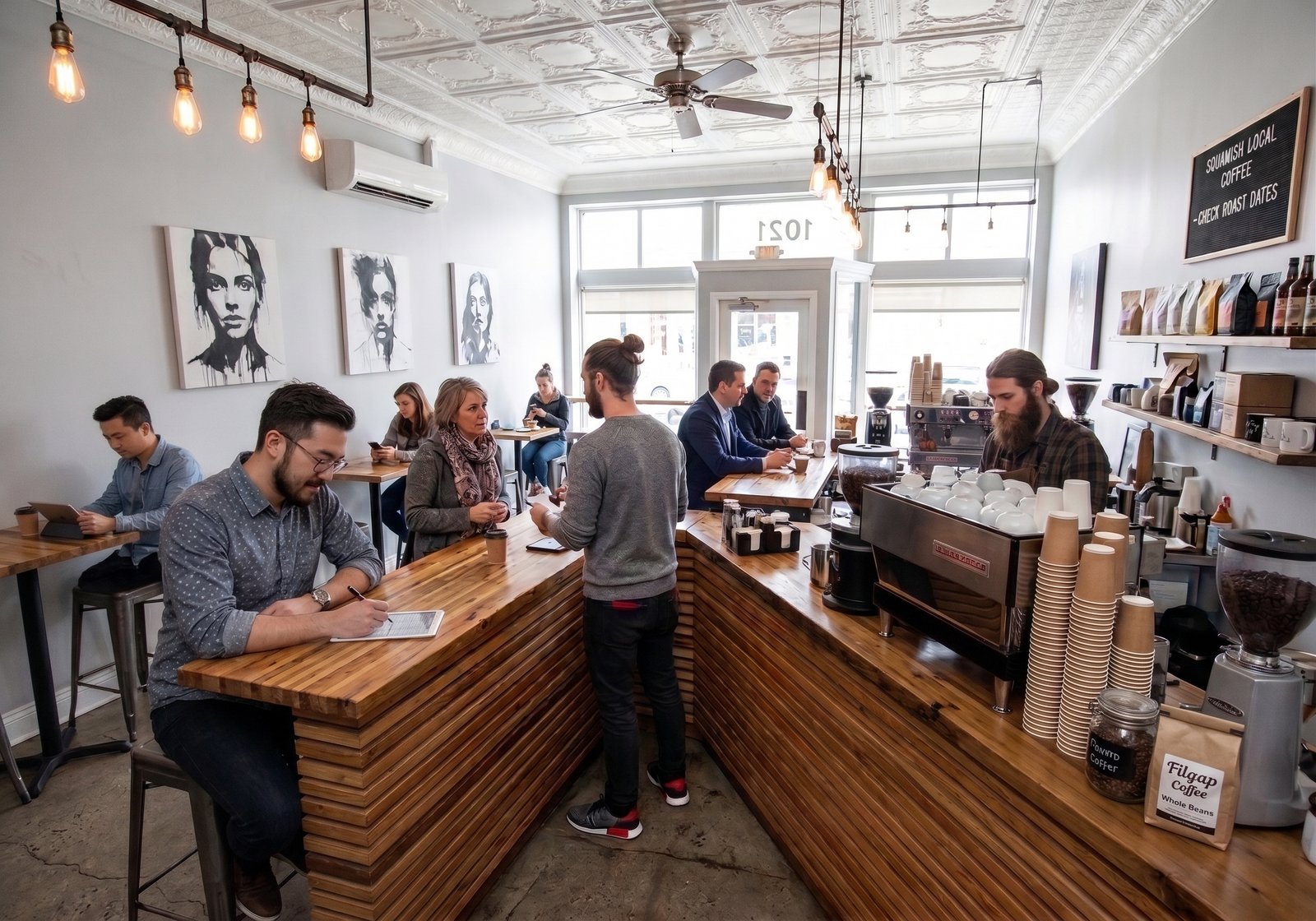
How Do You Study Competitors Without Copying Them?
Visiting good coffee shops gives me ideas. The harder part is understanding why those ideas work there before deciding whether any of them belong in Filgap.
-
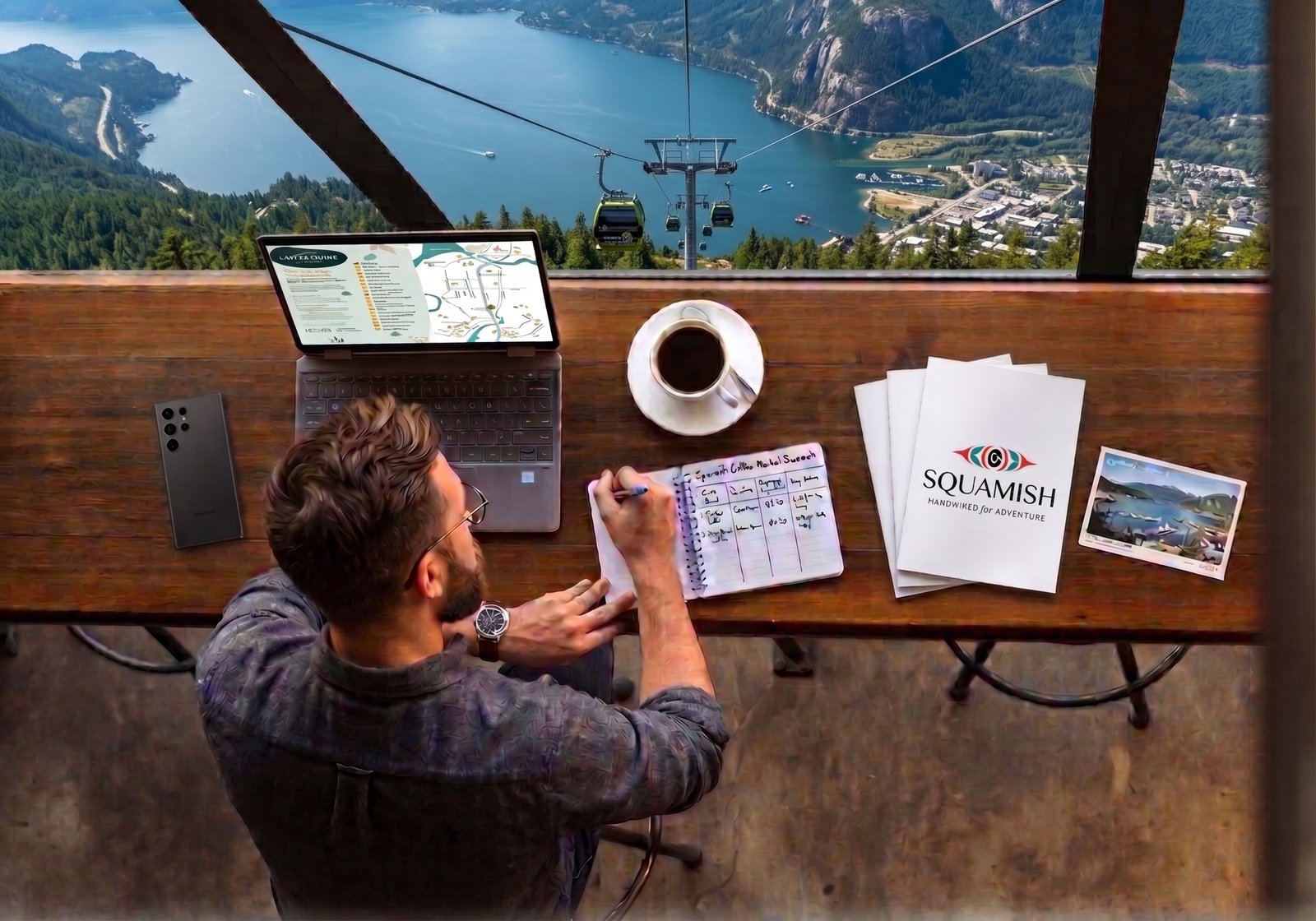
How I Would Research a Small Coffee Market Before Signing a Lease
A map and a spreadsheet can tell me where to look. Before signing a lease, I also want to see how the cafés, customers, streets and buildings actually work in everyday life.
-

How Do You Know If a Town Can Support Another Coffee Business?
Squamish is growing, but it already has plenty of places to buy coffee. Population and competition can tell me whether another coffee business is plausible. They cannot tell me whether people want Filgap.
-
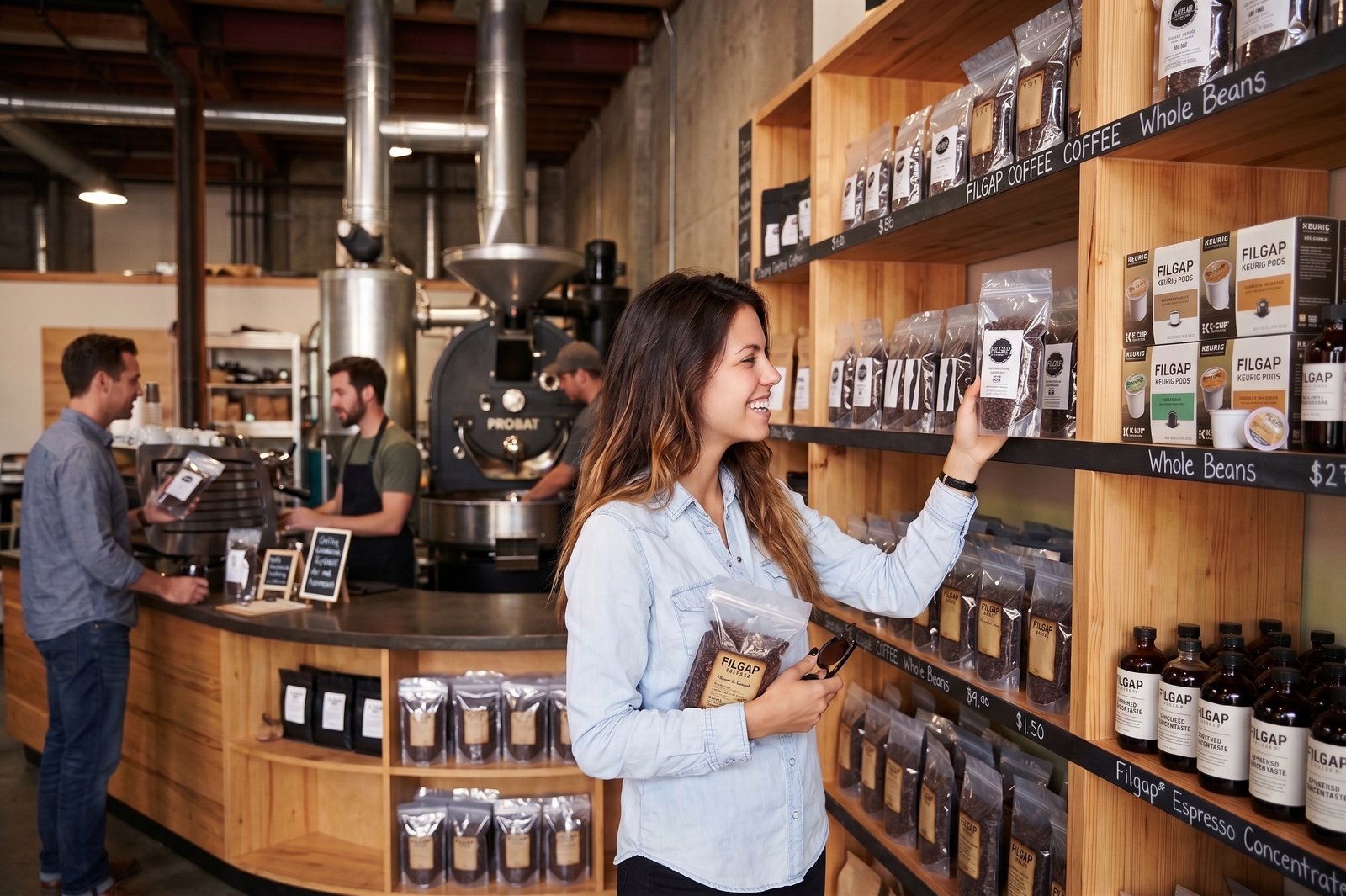
What Would Success Actually Look Like?
Selling coffee once would be encouraging. Seeing people come back, while keeping the coffee consistent and the business healthy, would tell me something much more important.
-
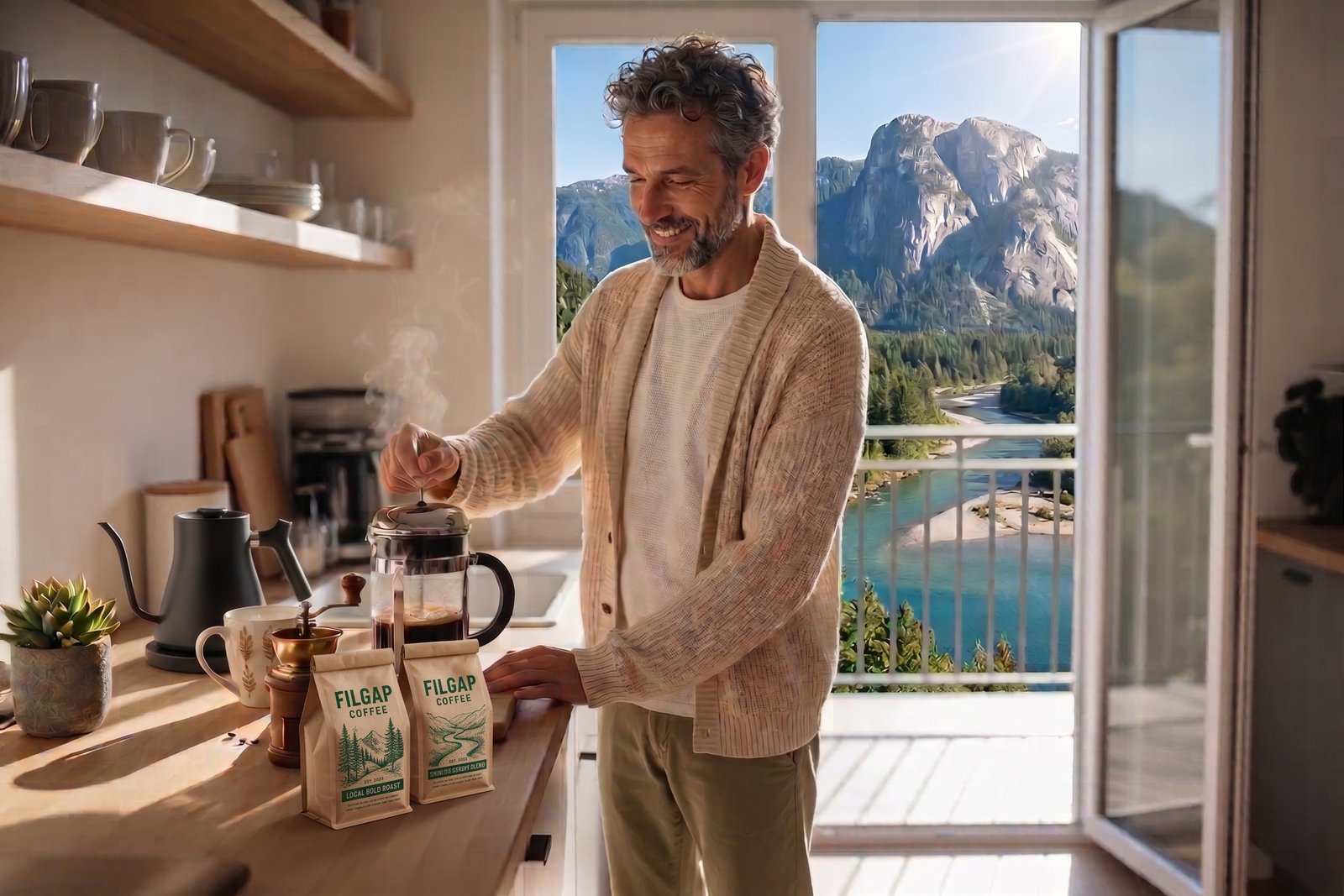
Who Am I Actually Building This For?
A useful customer profile needs more than age or income. I’m learning more by asking how people make coffee at home, what they buy, and what changes when convenience matters.
-
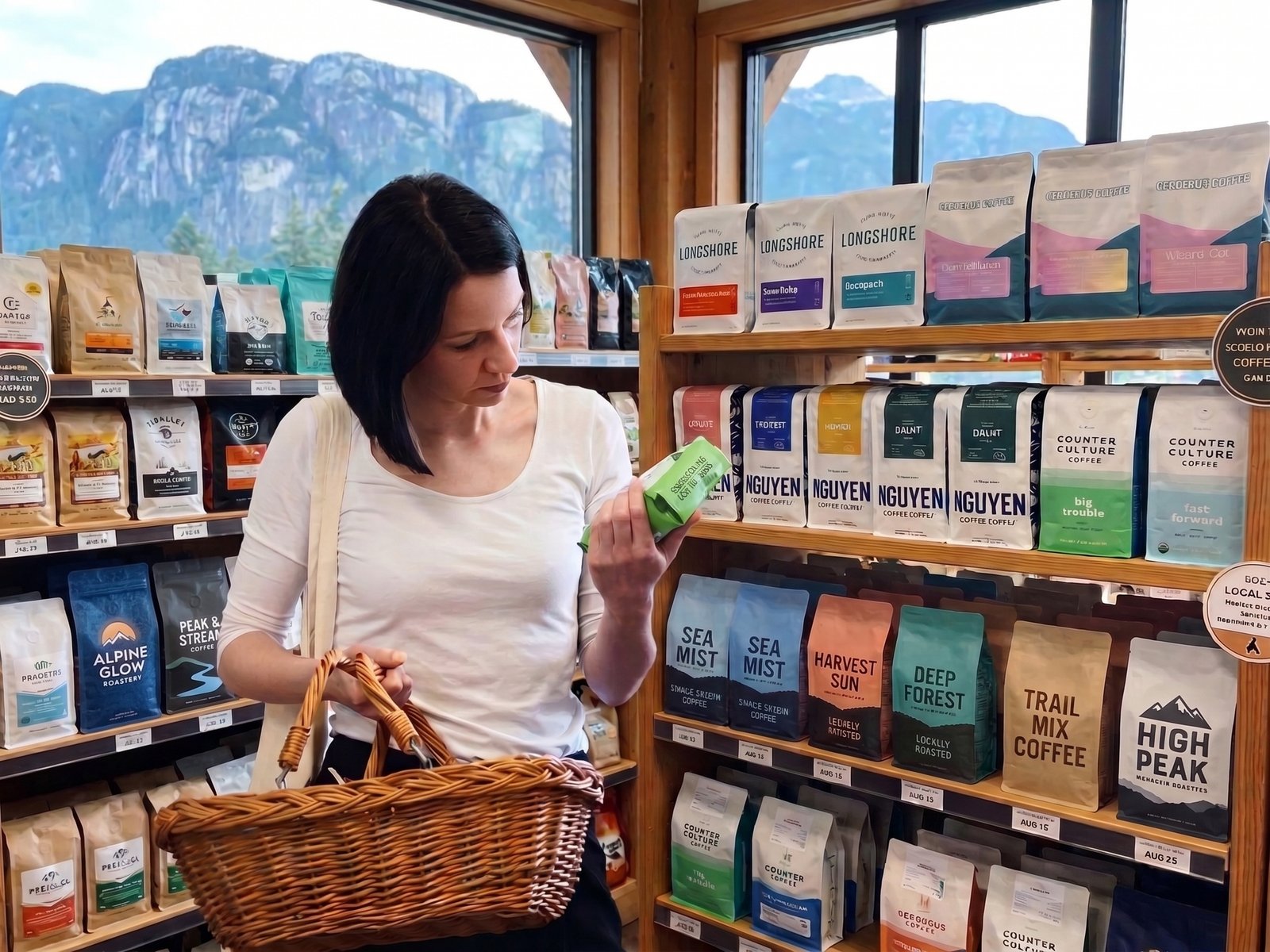
What Problem Should a Coffee Business Solve?
Filgap did not begin with a café or a floor plan. It began with a habit: turning over bags of coffee to check the roast date and wondering if other people in Squamish were doing the same.
-
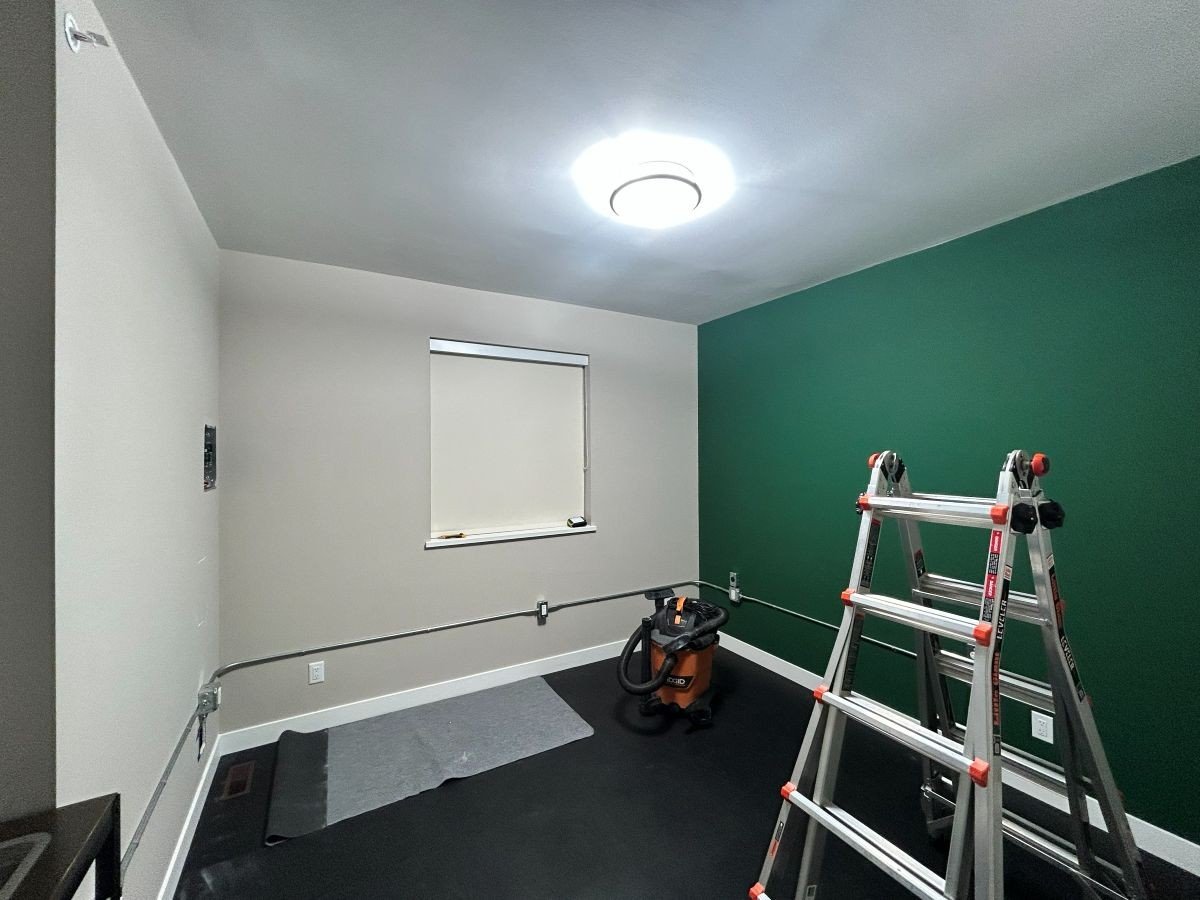
What I Need to Know Before I Build Around a Roaster
Filgap is taking longer to build than I first expected. There isn’t one simple reason for that. One decision I have spent a lot of time on is the roaster. I never treated choosing one as a simple equipment purchase. There are many roasting machines in the world, and they are built around very different…
-
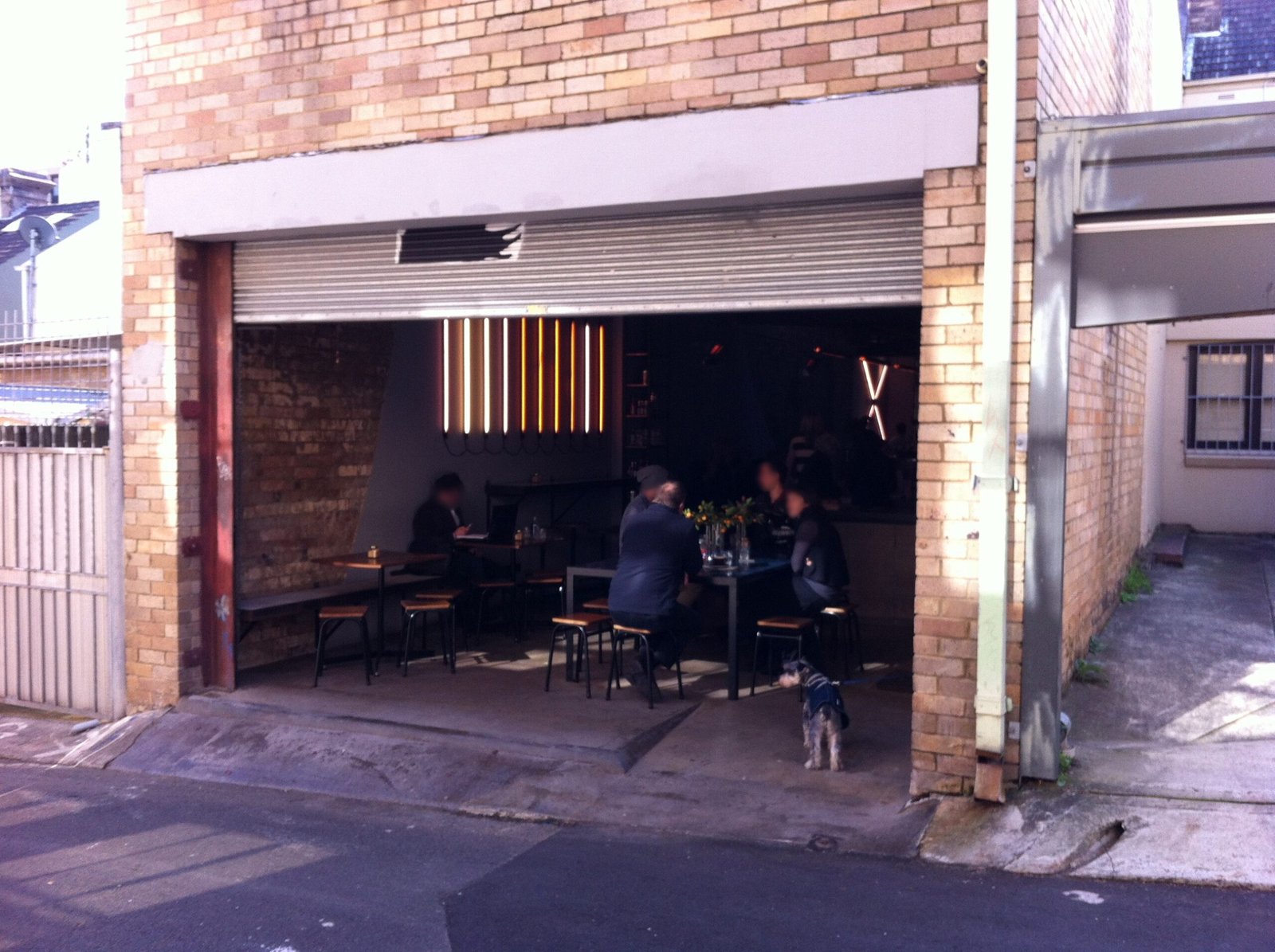
Designing a Café Without Hiding the Building: Reuben Hills, Sydney
Looking back at my 2012 photographs of Reuben Hills in Sydney, I noticed how much of the former printing factory was allowed to remain visible—and found a practical way to think about what really needs changing when an old building becomes a coffee space.
-
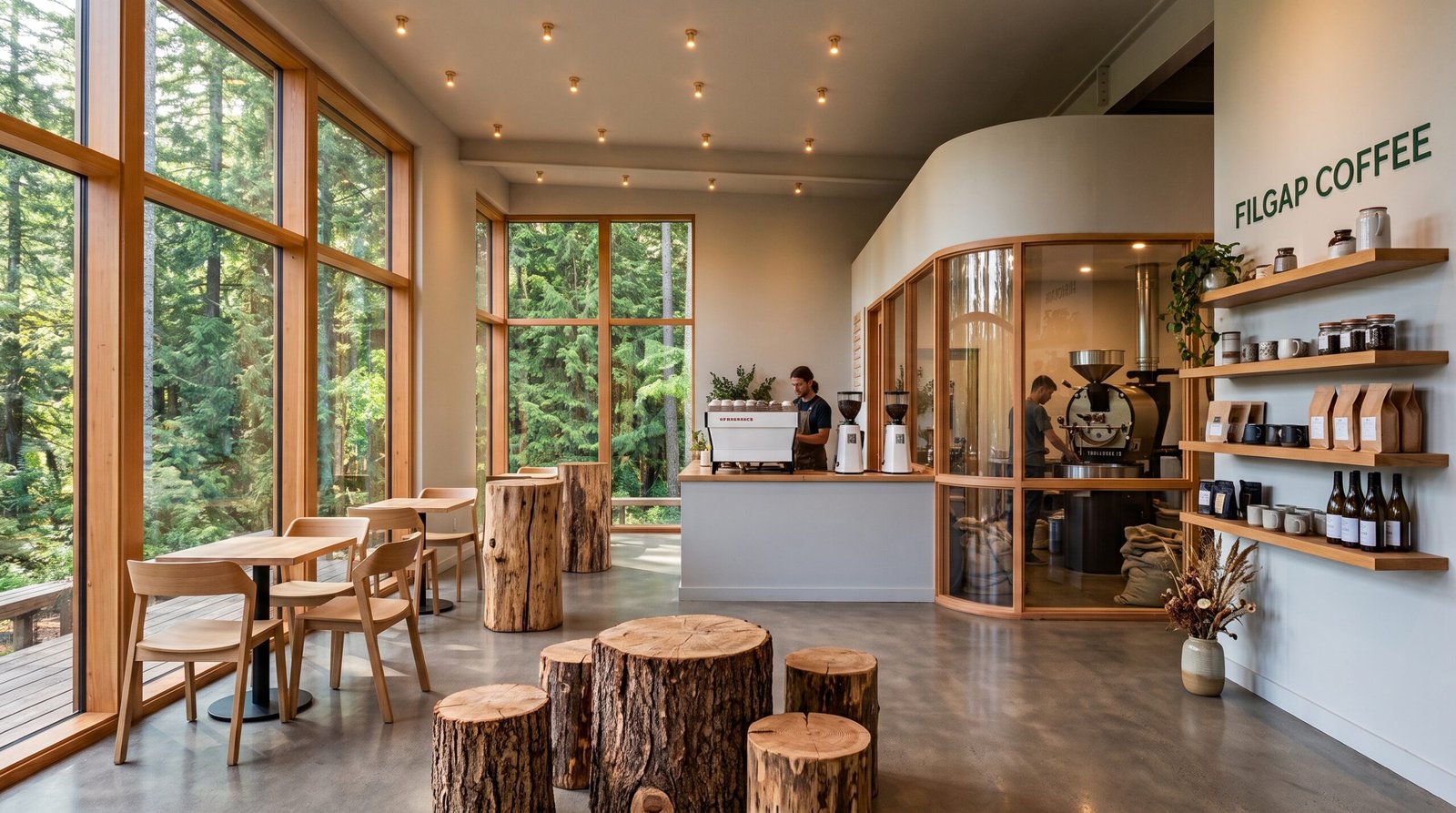
What Kind of Roastery and Tasting Room Do I Actually Want to Build?
Before floor plans, square footage or seating, there is a simpler question: what should a future Filgap roastery and tasting room actually be for?